
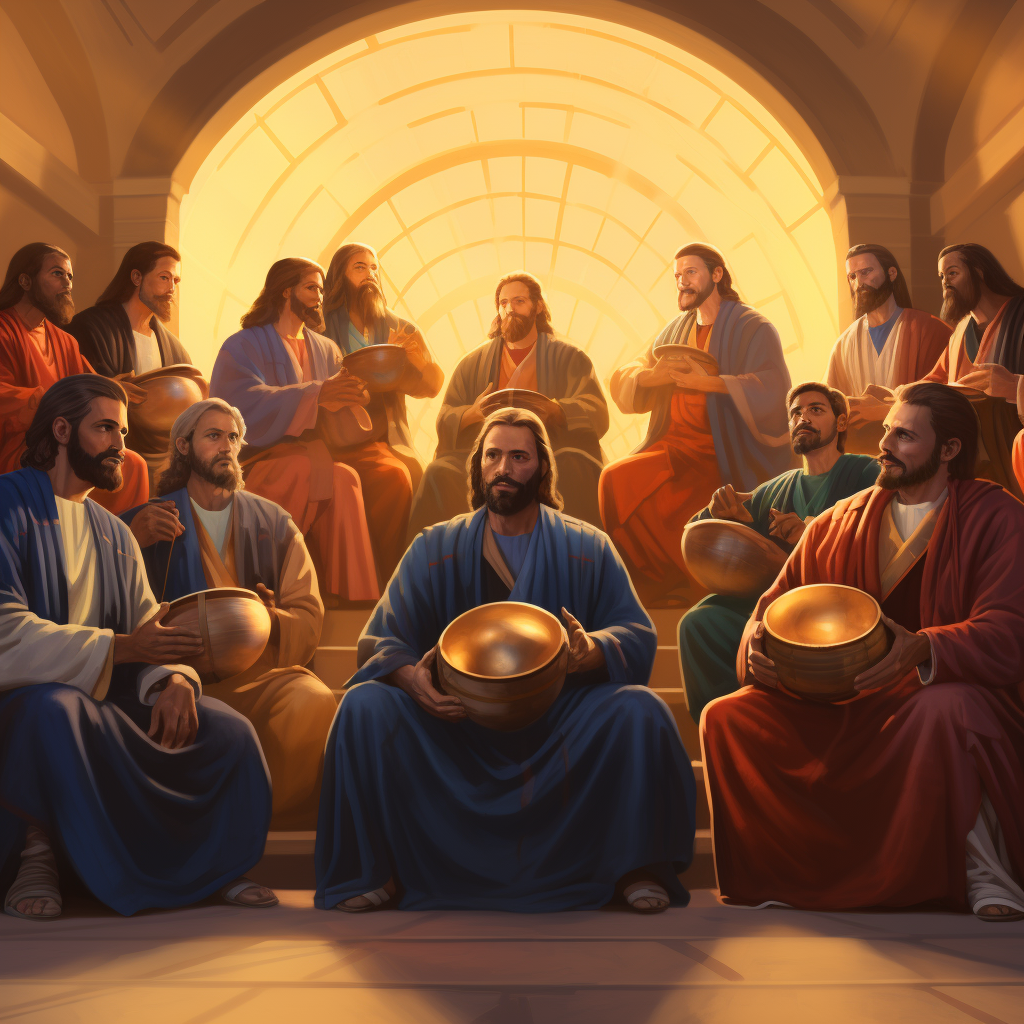
Should Christians Seek Healing from Buddha Bowls?
Darren Stott's blog post, titled "CHRISTIANS AND FREQUENCY HEALING," delves into the intersection of Christian faith and the growing trend of frequency healing practices, particularly those involving singing bowls. The post highlights the resurgence of mystical and occult beliefs in society, emphasizing the need for Christians to discern their involvement in such practices. Stott discusses the origins of singing bowl therapy, including Tibetan, crystal, and Himalayan bowls, tracing them back to Eastern spiritual traditions and occult modalities.
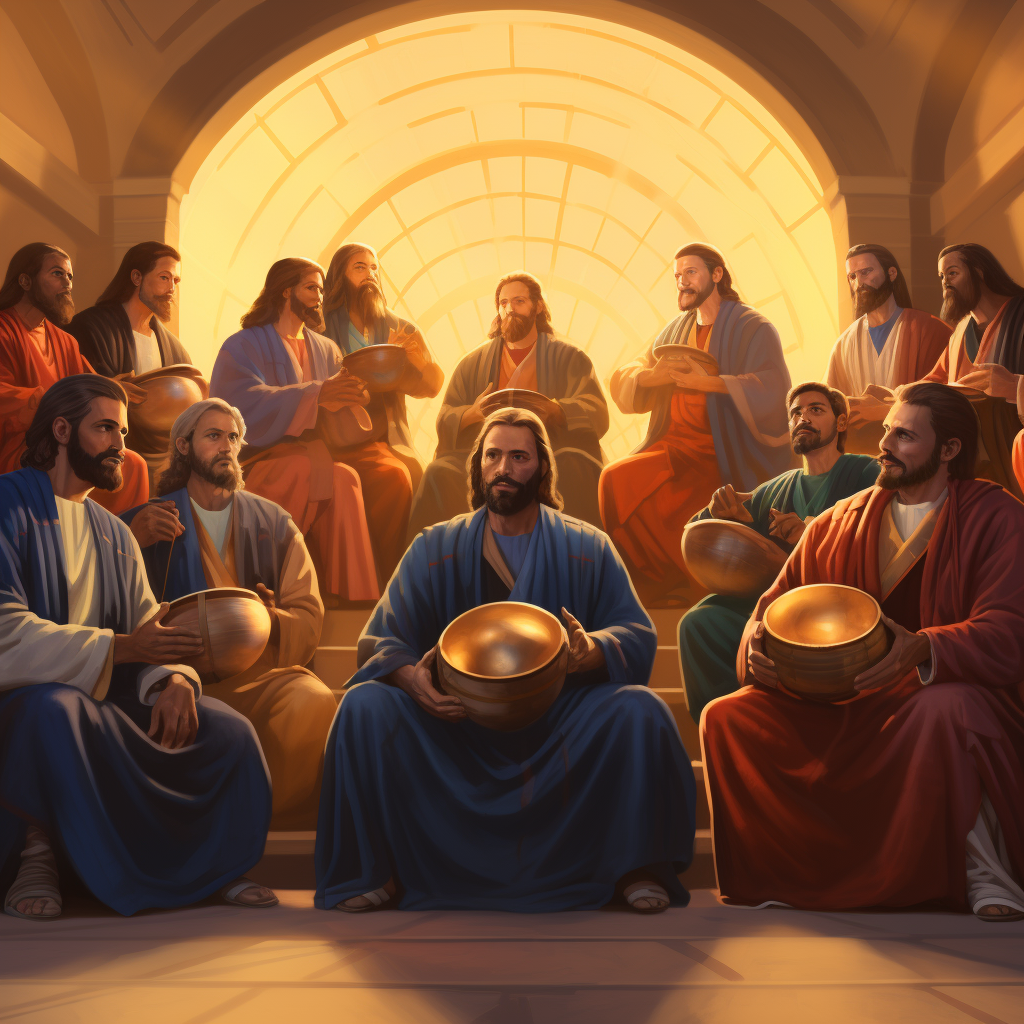
The Enchanted Church Part 5
CHRISTIANS AND FREQUENCY HEALING
CHRISTIANS ARE SPENDING THOUSANDS OF DOLLARS ON CRYSTAL BOWLS AND RECEIVING FREQUENCY HEALING TREATMENTS. SHOULD CHRISTIANS SEEK HEALING FROM BUDDHA BOWLS?
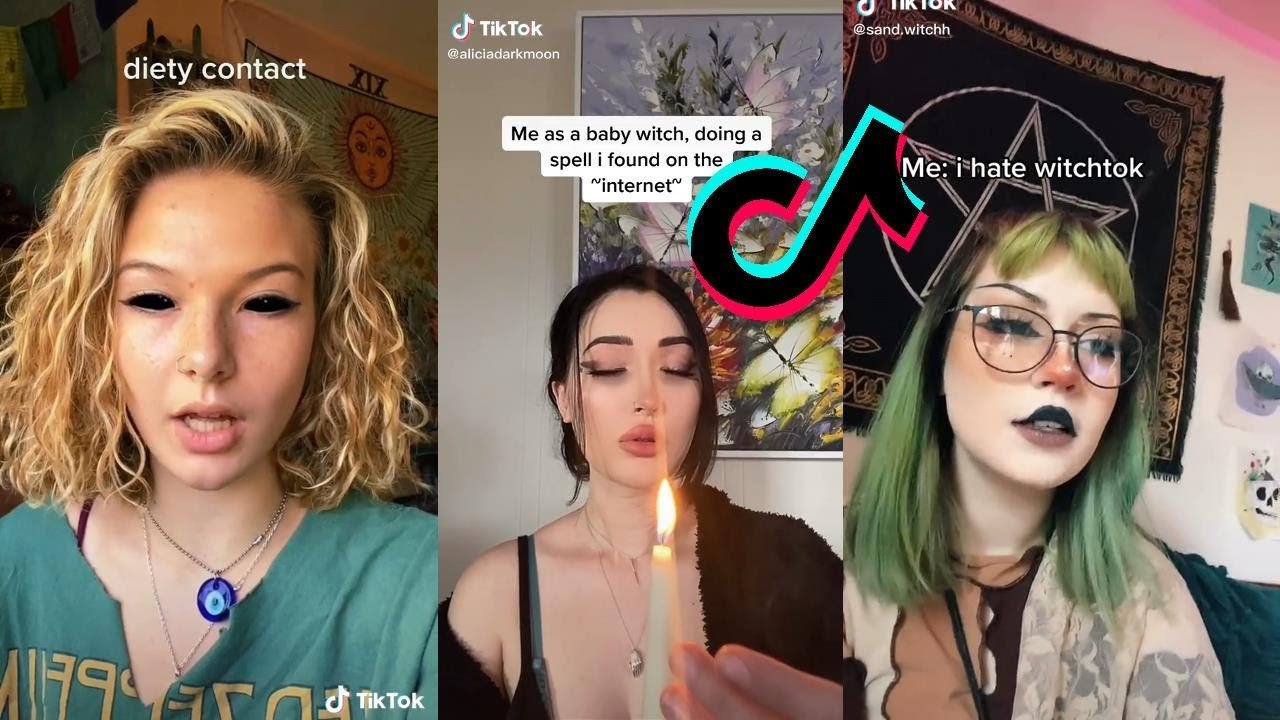
Within the depths of our nation, a resurgence of witchcraft and spiritism has stealthily swept through the corridors of society, evading the discernment of the American church. Believe it or not, social media platforms have shockingly unveiled staggering statistics that capture Generation Z's and Millennials' fascination with all things witchy. For example, the hashtag #witchtok (according to 2022 analytics) garnered over 30 billion views!
In 1990 a survey by Trinity College in Connecticut estimated that were around 8,000 Wicca followers in the United States of America.
By 2008, the U.S. Census Bureau revealed a rather unexpected figure of 342,000 adherents!
In 2014, the Pew Research Center study expanded that projection even further, indicating that approximately 0.4% of Americans identified as pagan, approximately 1,324,000!!
It is now being projected that by 2050, the number of Americans practicing "other religions" outside the major faiths would triple, partly due to increased individuals switching to Wicca and pagan religions.
America is veering away from a strictly humanistic trajectory. The influence of radical atheists within the influencer scene seems to have diminished, and the idea of a purely secular world devoid of other realms and spirits is losing its grip on popular belief.
A broader perspective is taking hold due to the rise in popularity of hallucinogenics and the persuasive voices of figures like Tim Ferris and Joe Rogan.
Sociologists even have a name for it: they say that America is becoming "enchanted."

As we observe the shifting tides of belief and the increasing fascination with the mystical, we find ourselves standing at a significant crossroads in our nation's history. Regardless of our inclinations, we cannot deny that people's enduring interest in the enigmatic and spiritual shapes a new narrative. It is a testament to the inherent search within the hearts of humanity, a longing for something transcendent and divine. This longing reflects our intrinsic need for a relationship with God and points to the eternal truth that can only be found in Jesus Christ.
Bewitched
The rapid and drastic shift from science being America's favored religion to a full-blown embrace of spiritism has caused reverberations that undeniably influence and impact the church. If the Apostle Paul were to pen a letter to today's modern Christian, it might echo his sentiments in Galatians 3: "Oh, foolish Americans! Who has cast a spell on you? Who has beguiled you, preventing you from obeying the truth?"
To be bewitched signifies being ensnared or controlled by the allure of magic and sorcery. It implies a state of being enchanted, captivated, or fascinated by supernatural or mystical forces. When one is bewitched, it suggests a profound enthrallment or enchantment, as if under the influence of a spell or mystical power. Metaphorically speaking, it describes a deep infatuation or fascination that overwhelms one's thoughts, emotions, or actions. It can also imply being manipulated or deceived by someone or something. In essence, being bewitched entails being under the sway of enchantment or spellbinding influence, whether it be literal or figurative.
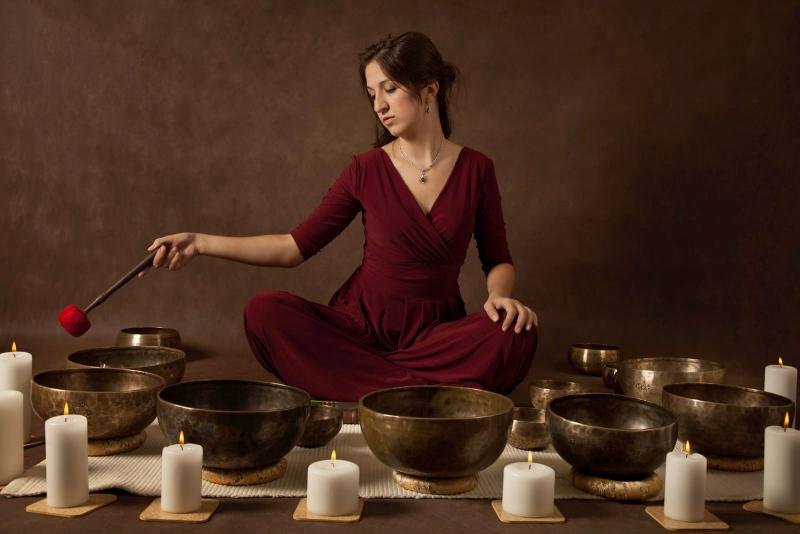
Frequency Therapy
One aspect of this bewitchment that is permeating the Christian church is the integration of frequency therapy as a means of healing for the body and soul. This integration attempts to blend Christianity and science as a foundation for how frequencies created by singing bowls can be a significant source for healing.
However, it is crucial to acknowledge that the origins of this healing practice do not stem from Christianity, Christians, or even our Jewish heritage. Instead, they trace back to Eastern spiritism, and ancient occult modalities.
Singing Bowls
Singing bowls encompass various shapes, sizes, and materials, each claiming to offer unique qualities and therapeutic benefits. In this exploration, I'll show you multiple examples of bowls being utilized in frequency therapy, focusing on their claimed resonating properties and the healing energy and spiritual frequencies they generate.

Tibetan Bowls
These miniature metal bowls allegedly emit two distinct notes when struck. Curiously, it is believed that producing these notes by striking the rim rather than the bowl's bottom yields different frequencies. Proponents claim that these varying frequencies offer diverse healing modalities.
Crystal Bowls
Another category of interest is the crystal bowls, which exhibit a variety of compositions depending on the infused gems within their glass structure. Most commonly, crystal quartz finds its way into these bowls. Advocates of bowl therapy assert that crystal quartz bowls possess the unique ability to restore energy in a targeted manner. For instance, those seeking a sense of purification might turn to selenite bowls, while individuals experiencing loneliness and isolation might opt for bowls infused with morganite, as these purportedly generate vibrations that evoke feelings of love.

Himalayan Bowls
Grouping all these resonating bowls, they can be collectively referred to as Buddha bowls, owing to their historical roots in Tibet, Nepal, and India. Dating centuries, these bowls have played a central role in spiritual practices, meditation, and healing rituals.
Tracing their origins to the Himalayan region around 2,500 years ago, they earned the famous moniker "Himalayan bowls." Primarily utilized by Buddhist monks during meditation and ceremonies, these bowls were believed to induce resonance and vibrations that facilitated the opening of the mind, body, and spirit, leading adherents into trancelike spiritual states.
Hey, at least it's not morphine!
The intention behind this article is not to express concern over Buddhist monks utilizing bowls for spiritual purposes but to shed light on a growing trend among Christians. It has come to my attention that many Christians, including many individuals I hold dear, have begun incorporating bowls into their yoga, meditation, and self-healing routines. Curiously, they argue that these practices can be reconciled with their faith. However, what raises concern is the lack of personal research conducted by these Christians regarding the origins of these spiritual practices. In fact, many deny these practices' inherently spiritual nature altogether. Instead, they rely on podcasts or ministers who market bowl therapy as a legitimate alternative medicine, leading them to simplify their perspective into a single phrase: "Hey, at least it's not morphine."
Marketing Bowl Technology
Upon delving into the realm of bowl healing, a consistent pattern emerges in the marketing strategies employed. A common tactic is invoking the words "ancient" and "healing" to confer credibility upon these spiritual practices or forms of healing. Using these terms seems to create a perception of legitimacy, as the belief persists that anything "ancient" must inherently be "valid."

Another claim often encountered is the assertion that bowl healing predates the time of Christ. This assertion is rather amusing, as it comes with an underlying assumption: the implication that since bowl healing predates Christ, it holds more trustworthiness and authority than Jesus Himself.
Well, congratulations to the marketers of bowl healing! You have succeeded in making your point. By emphasizing the practice's ancient origins, you have convinced some that it is not only legitimate but also potentially more powerful than healing in the name of Jesus or through prayer from ministry team members in a church or healing room.
I have even come across the audacious claim that the tremendous healing secrets discovered by previous civilizations render the crucifixion and the work of Jesus on the cross unnecessary.
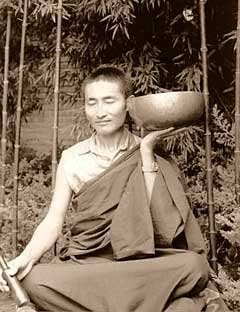
The Role of Singing Bowls in Buddhist Practices
It is worth noting that while Buddhist monks were indeed among the early adopters of using bowls for purposes other than eating cereal, their original intent did not involve healing.
These bowls were instruments capable of producing sacred vibrations, believed to facilitate portals opening to the spirit realm. Through these vibrations, the energy portals within the human body were thought to be activated, infusing them with spiritual light. This process was associated with perceived healing, mindfulness, and a profound sense of peace, resulting from purifying these energetic centers within the body.
Consequently, a connection can be drawn between using singing bowls to create frequencies that aim to open and illuminate the chakras or energetic portals within the body.
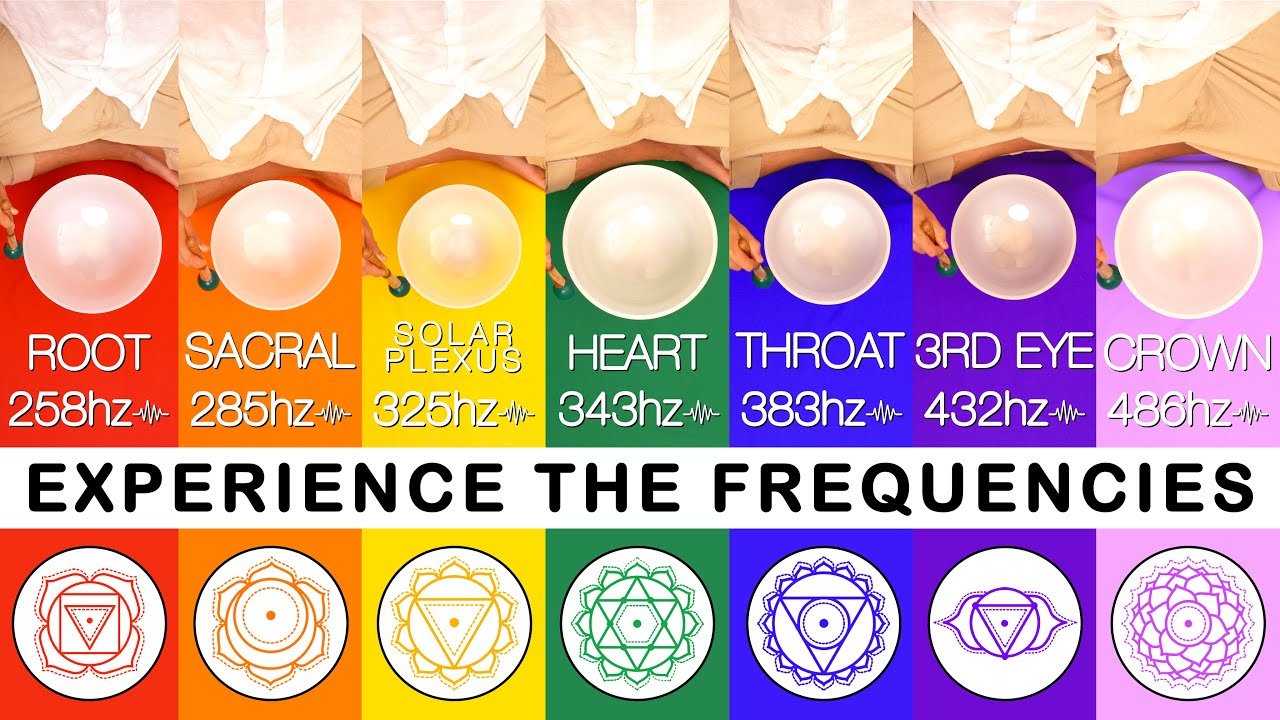
Exploring Bowls, Energy, and Chakras
The concept of chakras finds its roots in ancient Indian spiritual mysticism, particularly within Hinduism and Buddhism. These religions propose that chakras are spiritual energy centers within the human body. The term "chakra" itself, derived from Sanskrit, translates to "wheel" or "disk," symbolizing the notion of these energy centers spinning or rotating.

In some Christian bowl therapy practices, these principles are borrowed, and individuals are taught that their bodies contain energetic portals functioning as spiritual doorways or access points. They are led to believe that "energy" or "light" flows through these portals, and therefore, they unknowingly open themselves up to these influences.
They are often told that frequency is synonymous with light, and since all light is from God, the perceived healing is attributed to God entering their being.
At first glance, this may seem innocuous, but the truth is that as people open themselves up, they become susceptible to counterfeit light. What enters is not mere energy but rather, a spiritual entity.
“…as people open themselves up, they become susceptible to counterfeit light. What enters is not mere energy but rather, a spiritual entity.”
Remember that portals serve as entry points for spiritual beings, and such entities naturally seek to inhabit humans. Consequently, individuals unwittingly become hosts for these spirits, willingly or not.
If one is willing to accommodate a spirit, a transaction takes place. The offer is to relinquish one's body in exchange for the relief of pain, sadness, or anxiety. However, this trade is transient, as the spirits rarely fulfill their end of the bargain. Instead, individuals find themselves entangled in a web of deceit.

Bowl enthusiasts assert that the human body comprises gateways that connect different realms. The feelings of peace, interconnectedness, and mindfulness experienced in the short term serve as a form of payment, enabling the spirit realm to open and exploit the individual's body as a host.

The Chakra System
The concept of chakras revolves around seven main energy centers aligned along the spine, extending from the base to the crown of the head. It is important to note that some individuals, even self-proclaimed "Christian ministers," have made claims about the spirit man being located at the base of the spine, asserting that this insight was divinely revealed to them. However, such assertions are borrowed from Eastern mysticism and occult practices.
Each chakra is believed to be associated with specific qualities and functions, encompassing physical, emotional, mental, and spiritual aspects. These energy centers are interconnected and contribute to an individual's well-being and inner harmony.
Here is a brief overview of the seven main chakras and their general associations:
1. Root Chakra (Muladhara): Situated at the base of the spine, it is commonly associated with stability, grounding, and meeting basic survival needs.
2. Sacral Chakra (Svadhishthana): Found in the lower abdomen, it is typically linked to emotions, creativity, sexuality, and interpersonal relationships.
3. Solar Plexus Chakra (Manipura): Located in the upper abdomen, it is often associated with personal power, self-confidence, and the expression of will.
4. Heart Chakra (Anahata): Positioned in the center of the chest, it is commonly associated with love, compassion, forgiveness, and emotional healing.
5. Throat Chakra (Vishuddha): Found in the throat region, it is typically connected to communication, self-expression, and the ability to speak one's truth.
6. Third Eye Chakra (Ajna): Situated in the middle of the forehead, it is often associated with intuition, perception, and expanded spiritual awareness.
7. Crown Chakra (Sahasrara): Located at the top of the head, it is commonly associated with spiritual connection, enlightenment, and the exploration of higher consciousness.
Supporters of bowl therapy often claim that the selection of bowls is related to targeting a specific chakra on a given day, aligning their choice with the associated qualities and functions of that particular energy center.

Examining Implied Parallels
Many individuals are now drawing parallels between the chakra system and Christianity.
Here are a few examples; I do not believe or endorse these parallels. I present them to illustrate the potential for deceptive mixtures:
1. Divine Energy:
One argument suggests that the Holy Spirit, representing God's divine energy within individuals, can be likened to the concept of chakras. They propose that the Holy Spirit's transformative energy aligns with and activates the chakras, bringing about spiritual growth. However, it is crucial to recognize that the Holy Spirit is not a mere energy force but the third person of the Holy Trinity.
2. Body as the Temple:
The belief that Christians view their bodies as temples of the Holy Spirit aligns with the idea of chakras as spiritual energy centers within the body. Both perspectives acknowledge the sacredness of the body. However, it is vital to discern their understanding and significance differences.
3. Spiritual Growth and Transformation:
Christianity emphasizes the process of sanctification, which involves the purification and renewal of the heart, mind, and soul. Some may argue that the chakra system provides a framework for supporting this process. While personal growth and transformation are common themes, the underlying beliefs, and practices differ significantly between the two.
4. Virtues and Qualities:
Associating the virtues and qualities of each chakra with Christian virtues is another argument. For example, the heart chakra's focus on love and compassion may align with Christian teachings on love and kindness. However, it is crucial to distinguish the source and foundation of these virtues.
5. Prayer and Meditation:
Christianity places importance on prayer and meditation as avenues for spiritual connection. Similarly, practices involving chakras, such as meditation and mindfulness, are complementary. However, these practices' underlying intentions, methods, and spiritual frameworks differ radically.

The Challenge of Merging Frequency Healing and Christian Worship
In Scripture, various musical instruments such as cymbals, bells, and tambourines are mentioned in the context of worship. These instruments are utilized to direct praise, honor, and worship towards Yahweh, the Creator, and sustainer of all life.
Worship involves created beings offering their adoration to the Creator using created things. However, blending frequency healing, singing bowl therapy, and other New Age or alternative spiritual practices into one's Christian journey can present several problematic aspects.

Worship and the Sovereignty of God
For Christians, worship is primarily centered on God and His absolute sovereignty. When frequency healing, singing bowl therapy, and other external practices become intertwined with worship, the focus can shift from honoring and worshiping the one true God to seeking healing or spiritual experiences through external means.
This diversion can lead to a distortion of true worship, wherein God's power and authority are replaced with a reliance on specific frequencies or vibrations.
Consequently, it becomes a path that inclines towards self-worship, wherein pursuing a "divine self" takes precedence over reverence for God.
As believers, we must clearly understand the purpose and focus of worship, ensuring that God remains the central figure and His sovereignty is upheld.
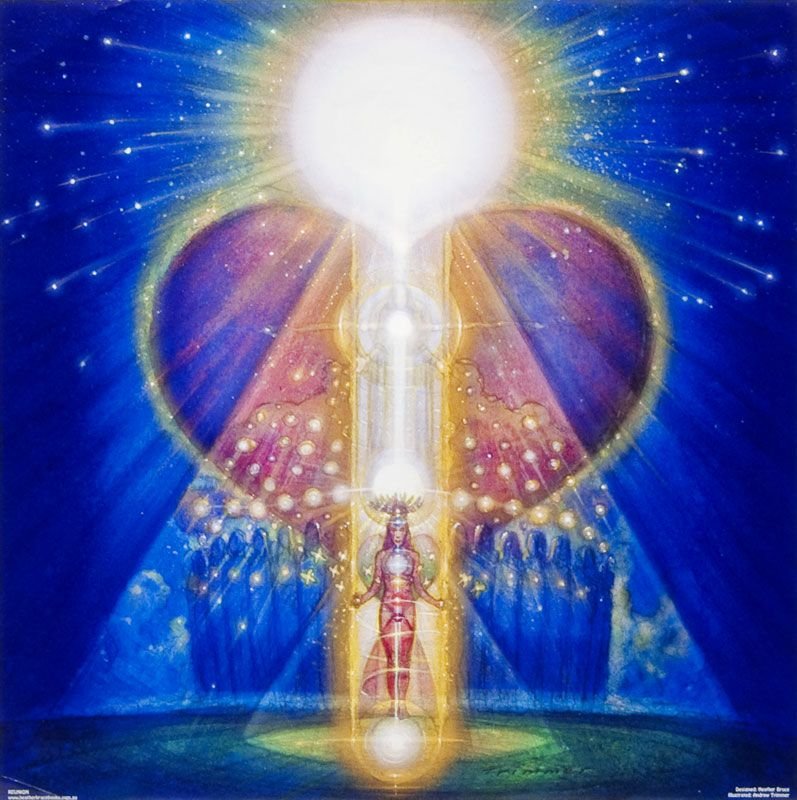
Divine Self
As believers, we firmly reject the idea that, merely because we carry the presence of God and serve as a temple of the Holy Spirit, we possess or share a divine essence.
Our purpose as Christians is not to aspire to godhood.
While this may be a common pursuit in many Eastern religions, our journey is distinct. Instead of seeking to awaken to our inherent divinity, we focus on recognizing our dependence on God and embracing the transformative power of His grace. Our goal is to grow in our relationship with Him, aligning our lives with His will and reflecting His love and character to the world around us.
Orin, a nonphysical spirit guide that is contacted through conscious channeling, has this to say about the revelation of the divine Self.
"…your Divine Self is the Self that exists at an even higher level than your soul. It is the Divine essence of your being, the source of all light and life within you. Your soul is closer to your personality and is an intermediary between you and your Divine Self until you can directly experience and realize the Divine Self as who you are."
"Your Divine Self is always trying to reach you, to send you the power, illumination, love, and wisdom to draw higher forms, thoughts, feelings, and situations into your life. Your Divine Self is wise; it knows all and always shows you an easier, better, more joyful way to live."
Yes, we are created in the image of God and have inherent worth and dignity. However, the concept of a "Divine Self" or God-self shifts the responsibility from developing a personal relationship with God through Jesus Christ to simply getting to know, love, and trust your inner Self.
Under this demonic theology, one believes that they have been awakened to their divine essence. Simply stated, they believe that they are God.
Salvation and transformation do not come from discovering your God-self. It comes through faith in Jesus, who is the Son of God, our High Preist, and the mediator between humanity and God. Through this relationship with God, through Christ, Christians discover who they are in Him.
Rather than striving to realize a separate Divine Self, Christians seek to align their lives with God's will, to be transformed by the Holy Spirit, and to live by the teachings of Jesus. They believe that God's wisdom, power, and love are accessible through this relationship and that God guides and directs their lives through His Word, the Bible, and the indwelling presence of the Holy Spirit.
Union Doesn't Make You God
Union in Christ does not elevate us to the status of being God. While some argue that being in Christ and having Him within us should allow us to receive worship, this is not the case. Our union with Christ enables us to become godly and reflect His divine attributes, but it does not grant us the authority to violate Scripture.
In Matthew 4:10, we are reminded to worship the Lord our God and serve Him alone. This commandment establishes that worship should be directed solely toward God, acknowledging His unique and supreme position.
Additionally, in Romans 12:3, the Apostle Paul advises us not to think of ourselves more highly than we ought to but to have a balanced and humble perspective. We are called to exercise sober judgment and recognize that our gifts or abilities are given to us by God's grace and should be used for His glory rather than for self-exaltation.
Therefore, while our union with Christ brings us into a godly and transformative relationship, it does not grant us the authority or status of divinity. Instead, it calls us to worship and serve God alone, humbly acknowledging His supremacy and relying on His grace and guidance.
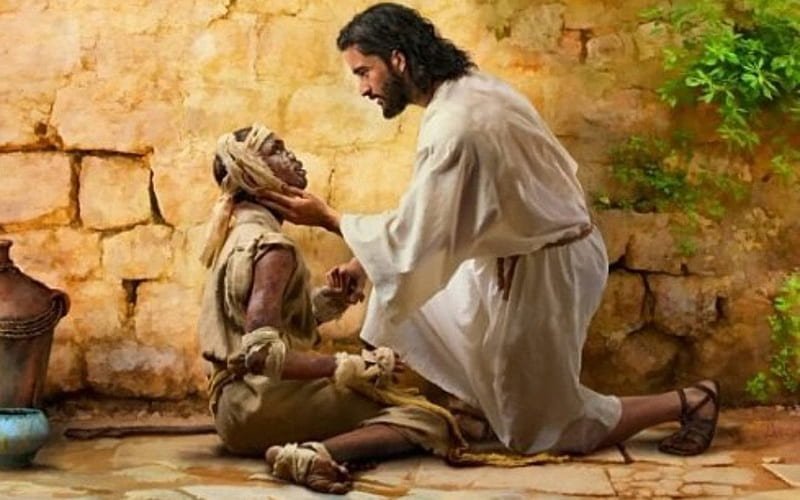
Divine healing and faith
Divine healing and faith are intricately connected according to biblical teachings. Just as salvation is received through faith in Jesus Christ, divine healing is obtained through faith in Him. While various alternative healing practices may claim to offer physical or spiritual healing, it is crucial to be cautious about merging them with the Christian faith, as doing so can potentially undermine our trust in God's ability to heal and replace it with reliance on methods or techniques.
James 5:15 states that the prayer of faith can bring salvation to the sick, with the assurance that the Lord will raise them up and forgive their sins.
Suppose we find that operating in the authority and name of Jesus could be more effective, and we begin to incorporate substances, sounds, movements, or unique phrase structures. In that case, it is crucial to recognize that once we discover something that seems to work, our attention may shift toward the method rather than Jesus. It is essential to understand that when it comes to supernatural healing, Jesus is enough.
If, under the leading of the Holy Spirit, we are prompted to perform an unconventional action like spitting in mud and applying it to a blind person's eyes, obedience to that specific instruction is paramount. However, it is crucial not to elevate the substance or action as the healing source. Our obedience, guided by the Holy Spirit, brings about healing, not the physical elements involved.
Therefore, we should remember that supernatural healing ultimately rests in Jesus alone. We must avoid attributing the healing to additional elements or practices and refrain from commercializing or glorifying them. Instead, we should focus on Jesus and His power, trusting in His guidance and obeying His leadership.

Spiritual Deception
In conclusion, it is crucial to acknowledge the potential dangers of incorporating singing bowl therapy into Christian practice. The merging of frequency healing and mystical modalities can open doors to the spirit world, exposing believers to deception and influences that directly contradict the teachings of the Bible. As devoted followers of Jesus, we are responsible for remaining steadfast and unwavering, protecting ourselves from any practices that compromise the truth and power of God's Word.
The Apostle Paul's admonition in Colossians 2:8 holds significant relevance in this context. We must not allow ourselves to be captivated by the empty deceit of human tradition or by the elemental spirits of the world. Our allegiance belongs solely to the will of the Father, the centrality of Christ, and the unadulterated power of the Holy Spirit. Our commitment should be relentless and firmly rooted in the Gospel's good news and the transformative power of Christ's resurrection.
Let us not be enticed by the allure of spiritual practices that divert us from the truth. We should build our trust upon Jesus Christ, the unshakable foundation, rather than on the shifting sands of Eastern mystical ideologies. We must reject any integration that dilutes the purity of the Gospel and jeopardizes our intimate relationship with God. By remaining steadfast in our devotion to God's Word and discerning our spiritual practices, we guard ourselves against the deceptions that may lead us astray.

Should Christians Kids Play with Dungeons and Dragons?
Darren Stott's blog post delves into the resurgence of Dungeons & Dragons (D&D) and its popularity among Christian children. He explores the complex relationship between Christianity, supernatural themes, and popular culture, drawing parallels to the 1980s when Christian parents were wary of certain forms of entertainment like Ouija boards and The Smurfs.
The Enchanted Church Part 3
THINGS JUST GOT STRANGER
A commentary on the comeback of Dungeons and Dragons and its popularity with Christian kids
"Serving a deity is a significant part of D&D, and all player characters should have a patron god."
D&D’s Deities & Demigods
"Whether or not the character actively professes some deity, he or she will havean alignment and serve one or more deities of this general alignment indirectly and unbeknownst to the character."
D&D Dungeon Masters Guide

I'm sorry!! I can't get into the backstory on this one. I'm still processing through my thoughts and feelings on the matter. If you read my last post on Harry Potter being required reading in Christian schools, you can probably guess what inspired this study on the game Dungeons & Dragons.
Before we start, is it just me, or does it feel like we have returned to the 1980s? There are too many similarities between today and a time in history past when Christian parents forbid their children from playing with Ouija boards and watching The Smurfs on TV.
On the one hand, there is an unprecedented openness to the supernatural within the Christian Church. For example, these days, even the conservative Baptists are singing Bethel songs, and thanks to The Asberry Portal, revival is trending. Revival is most certainly what our country needs more now than ever.
On the other hand, we are learning of openness, embracing, and integration of the New Age and the occult into our mainstream culture and even the Church. This shift is new to our culture, and a societal tide is changing. America is leaning away from modernism's atheistic worldview and moving towards an enchanted or magical worldview. Modern people readily accept what the ancients have known, and more is happening than what meets the eye. The supernatural is quickly becoming perfectly normal and acceptable. People are more readily accepting that something does not have to be seen for it to be engaged. We can thank Wi-Fi for that.
In this study, we focus on The Enchanted Church. Enchanted is a term that means to be under a spell or bewitched. If our culture is underneath a demonic spell, this should be a cause of concern for those who have been given the authority and power to break it. All this reminded me of the Apostle Paul when he asked the Galatians an interesting question, "Who has bewitched you?" The hour in which we live begs us to ask the same question of the American Church.

Things Just Got Stranger
Stranger Things, the hit show produced by Netflix, has captivated millions of viewers worldwide with its captivating storylines and supernatural elements. The show introduces young people to various supernatural concepts, entities, and realms, such as the "Upside Down," a parallel universe home to dark creatures and dangerous secrets - otherwise known as Hell. But Stranger Things is more than just a show; it's a supernatural school lush in demonology, theology, and supernatural ideas, some of which are even true.
Interestingly, something worth noting, as a result of the show, young people across the country were introduced to a game called Dungeons & Dragons (D&D). The impact of Stranger Things on the sales and popularity of D&D was significant.
In the show, the main characters are depicted playing D&D, and the game is presented as a fun and exciting activity that brings them together. This portrayal helped destigmatize D&D and introduced the game to a new generation of viewers who may not have been familiar with it before.
Following the success of Stranger Things, there was a noticeable increase in sales of D&D products. Hasbro, the parent company of Wizards of the Coast, which produces D&D, reported a 20% increase in sales in the fourth quarter of 2019, partly attributed to the popularity of Stranger Things.
The impact of the show on D&D, however, was not limited to sales alone. It also helped to increase the game's cultural relevance, leading to more mainstream media coverage and an overall boost in public perception of the game. Stranger Things played a significant role in bringing D&D back into the cultural conversation and increasing its popularity.
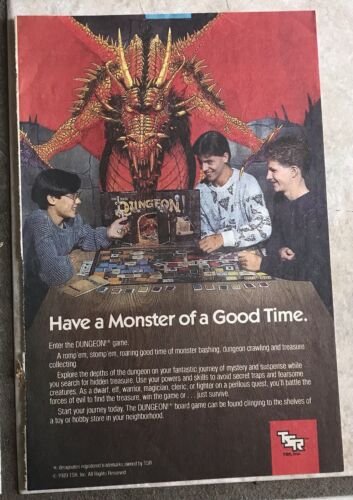
My Family Member, the Dungeon Master
Many argue that D&D is a fun fantasy game that brings friends together, but in our family, Dungeons & Dragons opened a gateway to the "Upside Down." As a child, I had heard about one of our family members who were traditionally a bit of a nerd. His unpopularity at school led to endless teasing and bullying. This changed, however, when he found his place of belonging amongst friends who were getting together to play D&D. With some creativity, an eye for detail, and a lot of gameplay, he began to ascend as a high-ranking Dungeon Master. He was no longer an outcast; he was now a legend. The crazy part was he was never much of an artist, but now he could draw incredibly complex and detailed characters. At times it was as if his hand was moving on its own. Then, he noticed something was different in his bedroom at night. It was as if he wasn't alone. He began to discover spiritual beings in his bedroom, visitors. When he started seeing them, he realized that they were the character that he thought he had created through the process of being a Dungeon Master (D&D storyteller, character creator, situation framer).
Had he created these characters from his imagination, or were these pre-existing demons tricking him into thinking they were his idea? After a while, these visits at night became more haunting, to the point that this cast of hellish monsters no longer listened to him when he commanded them to leave. Demons were full-on harassing him. This was when his parents called my parents, begging them to please come and pray for their son. My parents led him to the Lord and explained that he must take all his drawings, notes, and the game and burn them. When he tried to burn everything, he threw a match into the fireplace, but before the match could ignite the game, it stopped and hit reverse, flying out of the fire and burning him in the face.

The History of D&D
Dungeons & Dragons (D&D) is a tabletop role-playing game created by Gary Gygax and Dave Arneson and first published in 1974 by Tactical Studies Rules, Inc. (TSR). The game quickly gained popularity and has since become one of the most influential and widely recognized games in the world.
According to William Schnoebelen, a former Satanist who consulted for D&D, many resources were developed with the assistance of occultists and Satanists. Schnoebelen provides testimony regarding the type of information that the creators of D&D sought:
I was a witch high priest (Alexandrian tradition) from 1973-84. During some of that period (1976-80), I have also involved in hardcore Satanism. We studied, practiced, and trained over 175 people in the Craft. Our "covendom" was in Milwaukee, Wisconsin, just a short drive away from the world headquarters of TSR, the company which makes Dungeons and Dragons in Lake Geneva, WI. In the late 1970s, some game writers came to my wife and me as prominent "sorcerers" in the community. They wanted to make sure the rituals were authentic. For the most part, they are.
After converting to Christianity, Schnoebelen started cautioning parents about the paranormal risks associated with D&D. In the course of his warning, and he posed a thought-provoking question:
"If someone unknowingly performs a legitimate ritual that summons a demon or places a curse on someone while they think they're only playing a game, could the ritual still have an effect? I believe we all know the answer to that. If you playfully shoot your friend in the head with a gun that you believe is unloaded, but there's a bullet in the chamber, is your friend any less dead because it was just a game?"
D&D began reusing existing mythological creatures and beings into its Monster Manual, but co-creators Gary Gygax and Dave Arneson initially did not want to tamper with Biblical characters or beings. For example, angels were off-limits, but Gygax was okay with including real demons as long as they were seen as villains. However, players interested in the occult took the game in an unexpected direction. Players began making the game more and more realistic by researching medieval spellbooks, and game supplements like Authentic Thaumaturgy and The Infernax of Spells, Necromancy, and Black Magic were created.
Schnoebelen continues in his warning:
Much of the game contains overtones of illicit sex and sexual violence. For example, the cover of one D&D supplement, Eldrich Wizardry, shows a naked woman reclining on a satanic altar. This tragic scene is compelling because it is really what is done in genuine satanic groups all over the nation. It is extremely sado-masochistic because the fate of such a woman is to be either raped, gang-raped, tortured, or sacrificed to a demon god. This kind of imagery can be very provocative and seductive to adolescent males or even adults.Additionally, male characters in the game often try to seduce female characters; and references abound to things like venereal disease and satyriasis (a male condition of permanent sexual arousal).
Gatekeepers
Our family resides in a securely equipped home with a roof, doors, windows, and a garage door. The latter requires an opener for access, and only Andrea and I possess the keys to the other entryways. Therefore, to enter our abode, one must go through us. In essence, we are the guardians of our home. However, if any of our children invite a friend over, and we approve of their presence, that friend is granted access to our home. This permission hinges on our trust in that particular friend. In cases where trust has yet to be established, we would offer increased supervision while the friend is visiting.
Parents, pastors, faculty, and board members are all examples of gatekeepers. As such, they hold responsibility for the friends in their care. As gatekeepers, you are responsible for the friends in your home.
When individuals in positions of authority claim that Dungeons & Dragons is merely a game and permit the promotion of D&D clubs, it is akin to a pastor granting a Demogorgon access to the pulpit on a Sunday.
The issue with many contemporary Western Christians is that they embrace Christian theology but are essentially secular. They operate as their own lords while professing Jesus as their savior. They fail to recognize that they inhabit a world inhabited by angels, demons, paranormal rulers, cosmic authorities, the supernatural powers of this dark realm, and the spiritual forces of evil in the heavenly realms. It is not merely a question of God versus the devil. As Paul notes in Ephesians 6:12, we live in a realm subject to various gods' influence.
Thus, the first commandment does not condemn drinking, smoking, or premarital sex. Its essence lies in the prohibition against having any other gods before the one true God. However, we have simplified and diluted this concept in America, claiming that this text applies to us through false gods such as food or entertainment. This interpretation is incorrect as the context of the first commandment refers to actual malevolent gods. In the book of Exodus, Yahweh declares to the Israelites that they belong exclusively to Him and must not share their allegiance with other deities.
The Allowance of "Christian" Fantasy such as Tolkien and Lewis
This is a big question that has been coming up regarding the allowance of Christian fantasy, such as the timeless works of J.R.R. Tolkien and C.S. Lewis. For a thorough explanation of this topic, I will refer you to an article - The Theology of Fantasy in Lewis and Tolkien by Colin Duriez - that studies the context of paganism in the works of Tolkien and Lewis through a Christian perspective. This outstanding article builds a gospel-centered understanding and appreciation for their work.
Who may ascend the mountain of the Lord?
Psalm 24:3-4 says, "Who may ascend the mountain of the LORD? Who may stand in his holy place? The one who has clean hands and a pure heart, who does not trust in an idol or swear by a false god."
As we examine the impact of counterfeit supernatural beliefs on American culture and the Church, we must acknowledge the challenge of young people being unable to differentiate between what is authentic and what is not. Rather than inducing fear-based panic and encouraging demon hunting, our goal should be to ascend the mountain of God and gain a deeper understanding of Him and His ways. Both overreacting and interrogating our children out of fear, as well as turning a blind eye to the works of darkness, are equally irresponsible. Just as experts can distinguish counterfeit money by studying real currency, we must become knowledgeable about the workings of the Holy Spirit to recognize what is genuine and what is not.
Dear Parents, the Church's role is not limited to telling your kids Bible stories and instilling conservative values. It is essential for the Church to propagate the gospel of the Kingdom supernaturally. If your Church and home lack demonstrations of the power of God, the seductive influence of Satan's supernatural power may become unnecessarily appealing to your children.
It's important for children to witness healing, deliverances, salvations, and water baptisms, as well as seeing us striving for the resurrection of the dead. There is no justification for a Church or a Christian to be without power.
In conclusion, to safeguard the Church against magical counterfeits, we must witness the full power of the true gospel restored within it. Without a genuine display of God's power, the Church is vulnerable to false teachings and doctrines. It's time for us to reclaim the authority and power that is rightfully ours as believers and demonstrate the transformative power of the gospel to a lost and broken world. Only then can we expect to see a true revival that will have a lasting impact on generations to come.
Should Christians Read Harry Potter?
In Darren Stott's blog post titled "Should Christians Read Harry Potter? The Enchanted Church Part 2," Darren explores the integration of the Harry Potter franchise into the Christian Church and raises concerns about the influence of magic and enchantment on both the church and American culture.
The Enchanted Church Part 2
When Harry Met The Bride of Christ
A commentary on the integration of the Harry Potter franchise into the enchanted Church

Recently, I became agitated and triggered, which is unusual for me. However, it has become more common since I turned forty (and, more recently, forty-one). One of the students in our church who attends a highly respected private university (our church has supported over the years) reported to us that the school integrated magic practices into its curriculum, and the school's president not only knew but also defended these practices.
Feeling heated, I picked up the phone and called a ministry peer within our region. He is passionate, educated, and more level-headed than I am, so I hoped he could talk some sense into me before I did something foolish, such as broadcasting a Facebook Live video in which I take a verbal flame thrower to the God-fearing higher education system that appears to be integrating golden calves into its establishment.
To my surprise, my pastor friend, who is kind of a big deal (and just about as busy as I am), picked up the phone!! We had a forty-five-minute conversation about the state of the Church and the shift within our country. My friend pointed me to the work of theologian Peter Kreeft which inspired for me to do this blog series.
Kreeft argues that the influence of hallucinogens on today's modern-day influencers, thinkers, and CEO has loosened the grip of atheism on our culture. Almost everyone now admits that there are unseen realms, parallel dimensions, and ways to access these realms. Kreeft argues that America's modernist culture has now swung in the opposite direction, and that we are becoming, drumroll, please...
Enchanted.
I looked up the definition of enchanted, and the definition startled me. I discovered that the word means "to be placed under a spell or bewitched."
Indeed, America is being hypnotized, and this may include the Christian Church.
I was reminded of Paul's inquiry in Galatians 3:1, "O foolish Galatians! Who has bewitched you? It was before your eyes that Jesus Christ was publicly portrayed as crucified."
Paul's question was to the Church of Galatia, which had embraced the heresy of Gnosticism, dualism, supernatural formulas, and extrabiblical works to the doctrine of salvation by grace through faith alone in Jesus Christ.
In this series, we will study this wave of enchantment crashing down upon our shores and, more specifically, its influence within the Christian Church. This series aims not to bash the means of enchantment (i.e., Harry Potter) or the church itself but rather to turn on the lights and awaken us out of this hex.
Harry & Jesus
In my recent discovery, I learned that our local Christian University was teaching within its literature department that J.K. Rowling (the creator of the Harry Potter religion) is a sort of modern-day C.S. Lewis, that the Harry Potter series can be fairly compared to the Chronicles of Narnia, and Harry Potter is a typology of Jesus Christ.
I am sure that none of this is shocking; the comparison between Harry and Jesus is so apparent. From their sacrificial and messianic qualities, their willingness to sacrifice themselves for the greater good of humanity, their cute round glasses, and like Jesus, Harry was willing to lay down his life to defeat Voldemort and save the world.

Now, let's press pause and address this. For those believers that seriously think that a modern-day witch can point to Jesus Christ, Exodus 22:18 would say otherwise. This text tells us what God told his people to do with witches, "Thou shalt not suffer a witch to live." There is no grace in the scriptures for integrating divination and celebrating witchcraft within the Church. None.
Harry's Hex
Since its debut in 1997, the Harry Potter franchise has "enchanted" the world with its magical world-building and bewitching characters. Over the years, the franchise has grown into a cultural phenomenon, with an enormous fan base and a significant impact on popular culture. Let's look at some numbers that illustrate just how big of a deal Harry Potter really is.
First and foremost, there are book sales. According to the latest estimates, the Harry Potter series has sold over 500 million copies worldwide, making it one of the best-selling book series ever. The final book in the series, Harry Potter and the Deathly Hallows, sold an unbelievable 11 million copies in its first 24 hours on sale, setting a Guinness World Record.
Of course, the books are only part of the story. The Harry Potter films have also been an enormous success, grossing over $7 billion worldwide. That makes the franchise the third highest-grossing film series of all time, behind only the Marvel Cinematic Universe and Star Wars.
And it's not just books and movies. The Wizarding World of Harry Potter, a themed area at Universal Orlando Resort, has been a massive hit since it opened in 2010, drawing millions of visitors yearly. A second location, Universal Studios Japan, opened in 2014.
Then there's the fan culture. The Harry Potter fan community is vast and enthusiastic, with countless fan sites, fan fiction, fan art, and fan conventions. The fan site MuggleNet, for example, boasts over 200 million page views per year.
But what about this story of a boy wizard has made it such a force to be reckoned with in popular culture?
The franchise has undeniably contributed to a broader cultural shift towards enchantment. The vivid descriptions of magical creatures, spells, and potions have catalyzed a mystical revival in America and the world. Indeed, humanity has come under a spell, hexing even the Church itself.

The Gospel According to Harry Potter
Langdon Palmer, the pastor of Leverington Presbyterian Church in Philadelphia, begins his sermons with clips from Harry Potter movies and incorporates ideas from the books into his sermons to convey concepts from the Bible.
"If something really deeply moves me, then I want to pay attention to that...there were a number of scenes in Harry Potter that struck me profoundly, so I'm just like, 'wow, that's just like this thing in the Bible." – Pastor Palmer
He compares his use of Harry Potter to how Jesus used parables. Despite initially being skeptical of the series when it first came out in 1997, Palmer changed his mind when his own children wanted to read it. He could have meaningful conversations with them about important topics such as right and wrong, bullying, and truthfulness.
Since beginning his Harry Potter sermon series in mid-March, Palmer has seen a 20 percent increase in weekly attendance at his church, composed of mostly millennials who grew up with the series.
Ancient Magic Reimagined
So, is it a good idea to integrate Harry Potter into our churches, schools, and homes? Is Harry Potter no different than a Magic Wardrobe and a talking lion?
Whereas Rawling has stated that she never used witchcraft or the occult as an influence for her series, a British library's exhibit, Harry Potter: A History of Magic, peeled back the veil of secrecy to reveal the real history of magic and alchemy that J.K. Rowling drew upon to create her wizarding world.
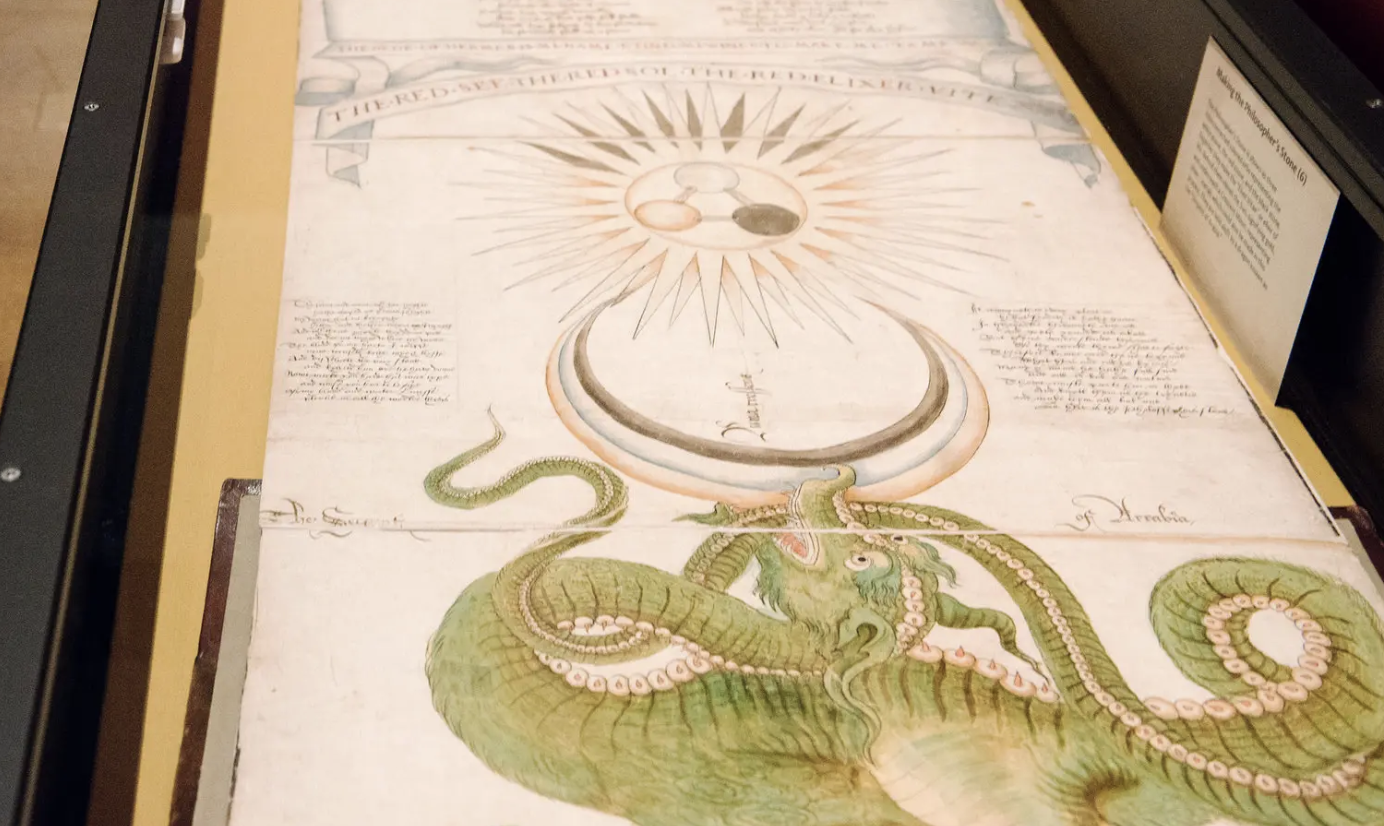
The 16th-century Ripley scroll, in the Alchemy room, contains secrets to the Elixir of Life.
The exhibit revealed how Rawling used ancient texts to craft potions and spells that are taught at Hogwarts School of Witchcraft and Wizardry and displays some of the original books that Rowling used for inspiration, including a worn second-hand copy of Culpeper's Herbal, a 17th-century book on plant cultivation, that she used for herbology and naming her characters.
The exhibition also showcased Rowling's handwritten notes and ink drawings, revealing her creative process as she sketched out the geography of Hogwarts' grounds and the characters that inhabit them. Alongside ornate staffs, broomsticks, and dragon bones, visitors could see a large cast iron cauldron, which Rowling notes has had a magical association for centuries and appears in hundreds of years' worth of pictures of famous historical witches.
Gateway to the Occult
In 2001 Pastor and Author Richard Abanes wrote a book about the connection between ancient occult practices and Harry Potter. In his book 'Harry Potter & the Bible,' he provided actual page numbers and book titles where counter-biblical and harmful actions or statements are located in the Harry Potter books. Additionally, Abanes compares acceptable, "excellent Christian fantasy books" such as those by C.S. Lewis & J.R. Tolkien and contrasts them against the practices in the Harry Potter books and shows how they are full-blown occult.

Whereas many books have been written to show how you can integrate Harry Potter into your Christianity and find the subtle gospel narratives within the series, this book serves as a tool for parents that are interested (and concerned) about their children's spiritual and supernatural health.
"We will have millions and millions of kids getting their first look at the occult" at what otherwise may seem to be a "very endearing, fun and stimulating movie," Abanes said. "At the very least, they will be desensitized to its dangers. I think it will do a lot of harm, from a Christian perceptive."
America, Who Has Bewitched You?
There is an enchantment agenda at work that I do not consider to be benign. Supernaturally illiterate educators and pastors are playing with loaded guns in front of congregations and classrooms. I am deeply concerned about those who call themselves Christian educators and ministers and yet do not believe in the power of God, nor do they challenge people to follow Jesus.
1 Corinthians 2
And so it was with me, brothers and sisters. When I came to you, I did not come with eloquence or human wisdom as I proclaimed to you the testimony about God.[a] 2 For I resolved to know nothing while I was with you except Jesus Christ and him crucified. 3 I came to you in weakness with great fear and trembling. 4 My message and my preaching were not with wise and persuasive words, but with a demonstration of the Spirit's power, 5 so that your faith might not rest on human wisdom, but on God's power.
Dear pastors, educators, overseers, establishment board members, and denominational leaders. If you are majoring in eloquent speech but no supernatural demonstration, you are in error and are vulnerable to being unwittingly used by the enemy.
Two Revivals
America is amid two revivals. A revival of darkness and a revival of light. We living in the midst of Romans 5:20, "…but where sin increases, grace overflows much more."

The 2023 Asbury revival was a Christian revival at Asbury University in Wilmore, Kentucky. The revival was sparked by students spontaneously staying in Hughes Auditorium following a regularly scheduled chapel service on February 8, 2023.
The Harry Potter franchise is not just a harmless work of fiction. Instead, it was a part of a more considerable coordinated revival of darkness aimed at conditioning American culture and the Church to accept and integrate magic theology and mixture into our beliefs and practices.
If enabled by a powerless Church, the franchise's promotion of witchcraft and sorcery practices condemned in the Bible will ultimately lead people away from Jesus into the seduction of spirituality outside of Jesus. As such, we must be vigilant and discerning about what we allow into our minds and culture, guard against the insidious influence of the occult, and engage with the kingdom's dimensions through the blood of Jesus.
This is not about Harry Potter but about a battle between two realms; two contrasting Kingdoms; two opposing powers; and an oblivious Church.
I look forward to diving in deeper with you as we study the influence of darkness upon our theology, methodology, and ecclesiology, and I look forward to the testimonies of all that will occur as we combat this assignment of darkness with a revival of supernatural and holy light.