

The Church, Scandals, and Righteous Anger
Recently, I came across a video of Dana White, the CEO of UFC, addressing one of his fighters, Bryce Mitchell, who had made some ignorant and outright ridiculous comments about Adolf Hitler. Dana White didn’t mince words. He didn’t sugarcoat or excuse it. He simply said, “Yeah, this is my guy. And what he said was stupid.”
Contrast that with what we see in the church when ministers fall into scandal. Where are the pastors, the leaders, standing up and saying, This is one of ours, and what they did was wrong? Instead, we see defensiveness, silence, and sometimes even enabling. And in that vacuum of accountability, the internet—specifically, independent YouTube creators and podcasters—has stepped in.

If we haven’t met yet, my name is Darren Stott. I pastor a church called Eden in the greater Seattle area. I want to address something heavy today—not to create more harm, speculation, or stir up pessimism against the church, but to help people navigate ministry scandals honestly, deeply, and righteously. Because if we’re not careful, disillusionment can lead to disengagement, and disengagement from the body of Christ can be dangerous.
Recently, I came across a video of Dana White, the CEO of UFC, addressing one of his fighters, Bryce Mitchell, who had made some ignorant and outright ridiculous comments about Adolf Hitler. Dana White didn’t mince words. He didn’t sugarcoat or excuse it. He simply said, “Yeah, this is my guy. And what he said was stupid.”
Contrast that with what we see in the church when ministers fall into scandal. Where are the pastors, the leaders, standing up and saying, This is one of ours, and what they did was wrong?
Instead, we see defensiveness, silence, and sometimes even enabling. And in that vacuum of accountability, the internet—specifically, independent YouTube creators and podcasters—has stepped in.
The Rise of New Media and the Church's Response
We live in a new media era. The traditional gatekeepers of information—major news networks, denominational structures, and official church statements—no longer control the narrative. Instead, independent content creators, some of whom have never stepped foot inside a seminary, are exposing issues within the church with a level of depth and detail that institutional bodies have either ignored or suppressed.
And while some see this as a negative development—an untrained army of young YouTubers monetizing scandal—the truth is more complex. Many of these people have been deeply wounded by the church. Their anger is not baseless. It is a response to real pain, real betrayal, real hypocrisy. And for those of us within the church, the question isn’t, How do we shut them down? The question is, How do we respond righteously?
The IHOP Scandal and the Pain of Betrayal
The recent investigative report on IHOP (International House of Prayer) and its founder, Mike Bickle, has brought to light a staggering number of allegations—over 200 testimonies of abuse, grooming, and manipulation. If you have a heart, even a fraction of these allegations should break it. If you have any sense of righteousness, it should stir a deep, holy anger.
The church is meant to be a place of refuge, a sanctuary of safety. Yet, when institutions that claim to center on Christ instead become places of secrecy, coercion, and harm, the world takes note. And rightly so.
We saw this with the Catholic Church decades ago. Now, the microscope is on our own charismatic, apostolic, and revivalist circles. And while the enemy seeks to weaponize these exposures to discredit the faith entirely, we cannot allow that to deter us from seeking truth.
Because here’s the reality: Jesus himself got angry. He flipped tables in the temple because the sacred was being exploited. That was righteous anger. And what we see today—the exposure of deep-seated corruption—is something that should stir a similar reaction in us.
Processing the Truth Without Losing Faith
Many people right now are walking through a crisis of faith. Some are turning away from the church entirely. Others are throwing out anything supernatural, prophetic, or charismatic, as though spiritual gifts themselves are the problem rather than the individuals who abused them.
I get it. I’ve been there. I was hurt in the church, and I let my brokenness turn into bitterness. I swore I would never go back. But let me tell you what I learned: Forgiveness is not about feeling ready. It is an act of faith. It is choosing to release judgment, even when you don’t feel like it. And when you do, it breaks the power of bitterness over your life.
So if you’ve been hurt by the church, by a pastor, by a leader—say it out loud: I forgive you. Not because they deserve it, but because you deserve freedom. Say it in faith, and trust that the feelings will follow.
God is Revealing to Heal
There’s a lot of talk right now about “exposure.” But I don’t believe God is merely exposing to shame. I believe He is revealing to heal. The devil accuses to destroy. God reveals to restore. And while some leaders will fall and never return to ministry, others will repent, be refined, and be entrusted again—not because of their power, but because of their humility.
A new breed of leaders is rising. And you will know them not by their charisma, but by their character. Not by their authority, but by the way they steward it. They will be those who walk with a limp—because they have wrestled with God, and they have come out different.
The Lord showed me that these will be leaders who do not build platforms for their own names but create altars for His presence. They will not chase influence, but they will steward intimacy with God. These are not men and women who will be blinded by their own ambition, but those who have been broken in secret places and have learned what it means to be fully dependent on the Lord. They have walked through betrayal, failure, loss, and hardship—not as a badge of honor, but as a refining fire that has burned away pride and left behind only what is pure.
They will not manipulate, coerce, or deceive to gain a following. Instead, their authority will be evident in their integrity. You will know them not because they declare themselves as apostles and prophets, but because their lives bear the weight of true apostolic and prophetic responsibility. Their leadership will be marked by service, their power will be tempered by humility, and their influence will not come from the stage but from the depths of their prayer closets.
These are the ones who walk with a limp, not because they are weak, but because they have contended with God and have surrendered. They do not lean on their own strength but on the One who has carried them through the fire. They are leaders who have been crushed but not destroyed, who have been humbled but not silenced, and who have found their greatest joy in obedience rather than in recognition.
The Church is Not Finished
The enemy would love for us to believe that the church is beyond redemption. That it is not a safe place. That we cannot trust anyone. But let me tell you: The church is not done.
Yes, it is being refined. Yes, there is judgment in the house of God. But don’t let cynicism win. Don’t let bitterness steal what is holy. This is not the time to disengage. It is the time to lean in, to intercede, to be a priesthood that stands in the gap for the broken.
So guard your faith. Don’t throw out Jesus because of Judas. Don’t abandon the gospel because of grifters. Stay engaged. Process righteously. Fight for truth. And above all, walk in love—even when that love is fierce, unyielding, and unwilling to tolerate evil in the house of God.
Grace and peace be unto you, in the name of our Lord Jesus Christ.

Break Free from the Cycle: Step into the Overcomer’s Throne
There’s an invitation from heaven right now—a call to break free from the cycle of falling and repenting, falling and repenting. Too many believers are stuck, constantly confessing but never overcoming. They receive forgiveness but never step into transformation. But I hear the Lord saying: This is the year of victory. This is the year to step into the Overcomer’s Throne.

There’s an invitation from heaven right now—a call to break free from the cycle of falling and repenting, falling and repenting. Too many believers are stuck, constantly confessing but never overcoming. They receive forgiveness but never step into transformation. But I hear the Lord saying: This is the year of victory. This is the year to step into the Overcomer’s Throne.
Hebrews 4:16 declares:
"Let us then approach the throne of grace with confidence, so that we may receive mercy and find grace to help us in our time of need."
The throne we are invited to isn’t just a throne of mercy—it’s a throne of grace. And that distinction matters.
The Problem: Why So Many Believers Stay Stuck
Here’s where many in the church have been misled. They think mercy and grace are the same. But they aren’t. Mercy forgives you, but grace empowers you. Mercy meets you in your failure, but grace gives you the strength to never return to it.
Without grace, you will keep running back to the same sins, the same patterns, the same struggles. That’s why so many people live in cycles of confession but never experience transformation. They’ve received mercy but never accessed grace.
But that changes today.
The Invitation: Come to the Overcomer’s Throne
The Lord spoke this to me so clearly:
"My throne of grace is the Overcomer’s Throne."
God is not just calling you to a place of forgiveness—He is calling you to a place of power. This is not the year to keep hiding. This is not the year to shrink back in shame, like Adam in the garden. This is the year to step forward, to come boldly before the throne, and to receive the supernatural grace to overcome.
At the Throne of Grace, you will find:
✔ Mercy to cover your past.
✔ Grace to empower your future.
This is where everything shifts.
Plug This Into Your Life Today
1️⃣ Stop Hiding. This is not the year to cover your sin—it’s the year to expose it to God and let His mercy wash over you.
2️⃣ Step Boldly Before His Throne. Stop waiting to “get yourself together.” You don’t need to clean yourself up before coming—He is calling you now.
3️⃣ Receive Grace to Overcome. Grace is more than forgiveness—it’s the power to walk in righteousness, the power to break addictions, the power to live in victory.
4️⃣ Embrace Transformation. You do not have permission to stay the same this year. You must grow, mature, and rise into everything God has called you to be.
This Is Your Year to Overcome
This is not the year to remain bound by the same sins, the same struggles, the same excuses. You are not who you were last year. You do not have to stay stuck. His grace is here, available, waiting for you to step in and receive everything you need to walk in victory.
I bless you with this:
✔ Confidence to come before His throne.
✔ Mercy to wash over you.
✔ Grace to empower you.
You are not called to live in cycles of failure. You are called to overcome.
Come boldly before the Overcomer’s Throne. Mercy is waiting for you, and so is the power to change.
In Jesus’ name.
🔥 If this word spoke to you, share it. People need to hear this today. 🔥
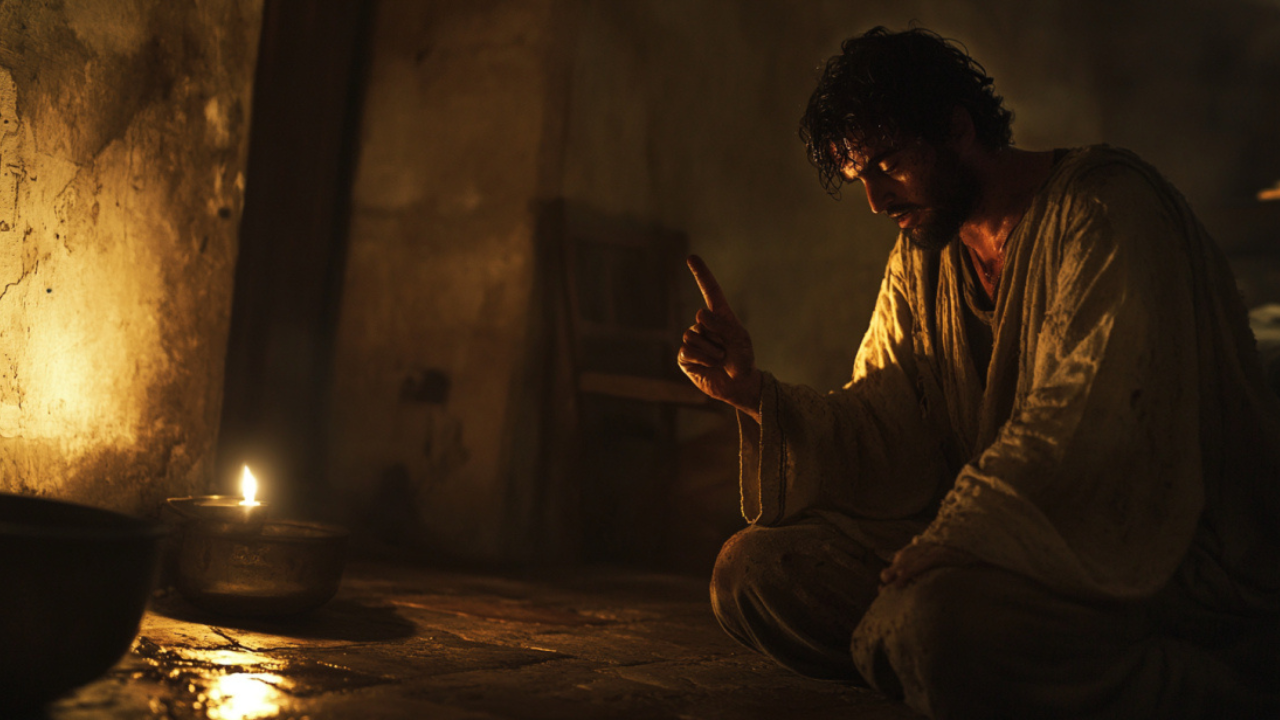
The Prayer That Shifts Everything
Not all prayer is created equal. Some prayers are effective, mobilizing action, bringing clarity, and catalyzing transformation. Others? They’re hollow, ineffective utterances that lack alignment with reality and responsibility. So, what’s the difference? What makes a prayer move mountains instead of simply echoing into the void?
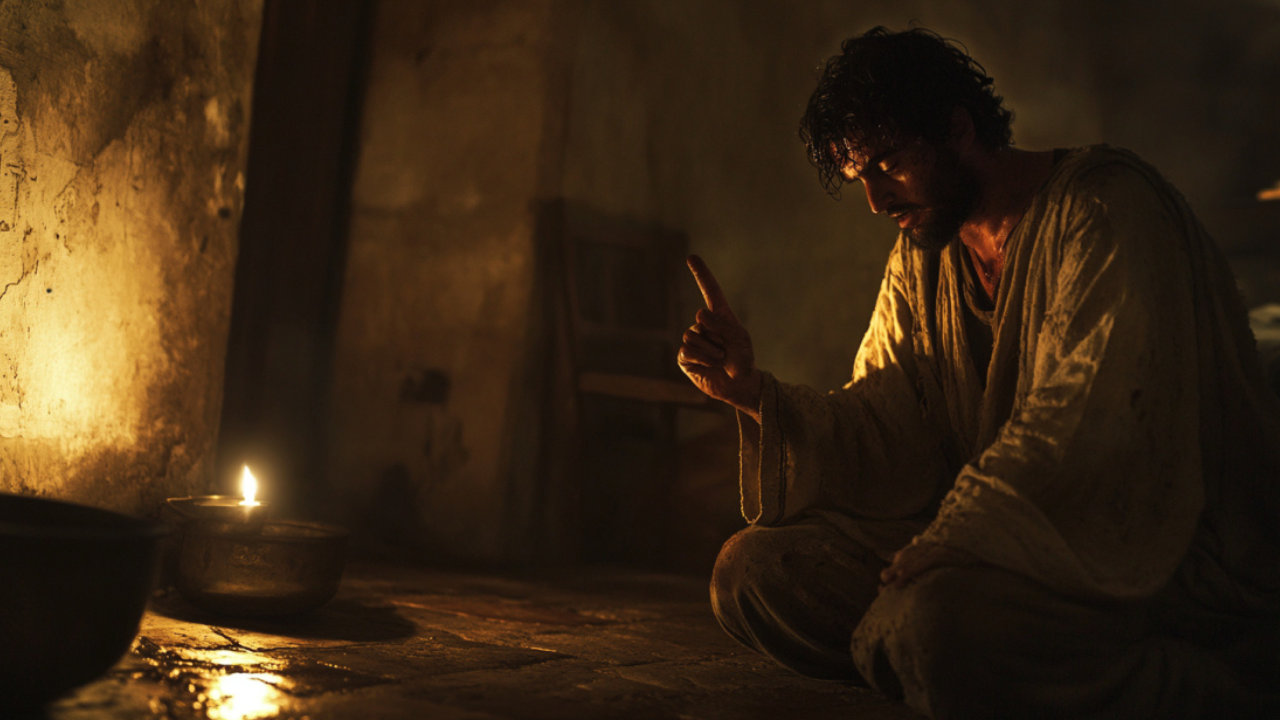
Life is full of struggles—those moments when the weight of the world feels unbearable. You feel paralyzed, trapped by circumstances too big for you to handle. Yet, in the chaos, there exists a tool—often neglected, misunderstood, or improperly wielded—that has the potential to shift everything: prayer.
Not all prayer is created equal. Some prayers are effective, mobilizing action, bringing clarity, and catalyzing transformation. Others? They’re hollow, ineffective utterances that lack alignment with reality and responsibility. So, what’s the difference? What makes a prayer move mountains instead of simply echoing into the void?
The story of Nehemiah offers us a roadmap to transformative prayer. Let’s break it down.
Prayer That Acknowledges vs. Prayer That Avoids
When Nehemiah began to pray, he didn’t start with his problem. He didn’t jump into a list of things he needed or a litany of complaints. Instead, he began by acknowledging God’s greatness.
"O Lord God of heaven, the great and awesome God who keeps covenant and steadfast love," he prayed.
This wasn’t just a formula. Nehemiah wasn’t checking a box to make sure his prayer sounded right. He was reorienting his focus. The greatness of God wasn’t just something he believed intellectually—it was the lens through which he viewed everything else. He saw the ruins of Jerusalem, yes, but he also saw the God who was more than capable of rebuilding them.
There’s a lesson here. When you pray, the first thing you need to do is lift your eyes. Shift your focus from the size of your problem to the size of your God. Why? Because your perspective shapes your prayers. If you see God as small, your prayers will be small. If you see God as distant or indifferent, you won’t ask for much. But if you have a revelation of a big God—a God who is mighty, compassionate, and faithful—then your prayers will reflect that.
This is the year where big asks will lead to big rewards. But here’s the catch: You will not have big prayers unless you have a revelation of a big God.
Think about it. When a child trusts their parent, they ask boldly. They don’t hesitate to ask for what they need because they believe their parent will come through. That’s the kind of faith Nehemiah had. That’s the kind of faith we need.
The opposite is prayer that avoids this acknowledgment. It’s a prayer that magnifies the problem instead of God. This kind of prayer leads nowhere. It’s powerless because it’s disconnected from the foundation of reality—God Himself.
"This is the year where big asks will lead to big rewards. But a small view of God leads to small prayers, and small prayers lead to small results."
Prayer That Repents vs. Prayer That Excuses
Nehemiah’s prayer didn’t stop at worship. It wasn’t just about acknowledging who God is—it was also about confronting who he was. With bold honesty, Nehemiah confessed the sins of his people, his family, and even himself. “We have acted very corruptly against you,” he prayed. “Even I and my father’s house have sinned.”
This moment of repentance is powerful. Nehemiah could have shifted blame. He could have pointed fingers at the generations before him who made mistakes, or at the leaders who failed to protect Jerusalem. But he didn’t. He owned the problem. He stood in the gap, taking responsibility for what was broken.
How often do we resist admitting our own faults? How often do we shift the blame or make excuses? Yet, the kind of prayer that shifts everything requires honesty. It requires humility. It requires repentance.
Prayer that excuses or blame-shifts is powerless. It’s an evasion of responsibility, a refusal to confront reality. And when you evade reality, you forfeit the opportunity for transformation. Repentance, by contrast, opens the door for growth because it aligns you with what is true and invites the possibility of change.
"God doesn’t bless excuses—He blesses honesty. When you own what’s broken, God redeems it."
Repentance isn’t about wallowing in guilt; it’s about realigning yourself with God’s holiness. It’s about removing the barriers that keep His power from flowing freely into your life.
Prayer That Boldly Asks vs. Prayer That Fears
Finally, Nehemiah’s prayer was bold. After worshiping God and confessing sin, he didn’t hesitate to ask for something specific: “Give success to your servant today, and grant him mercy in the sight of this man.”
This wasn’t a vague request. It wasn’t timid or hesitant. Nehemiah knew exactly what he needed—favor with the king—and he wasn’t afraid to ask for it. His boldness wasn’t arrogance; it was rooted in his faith. He knew who God was, and he trusted that God could and would intervene.
Too often, our prayers lack this kind of boldness. We hesitate to ask God for big things because we’re afraid of being disappointed. We hold back because we feel unworthy or unsure. But prayer that shifts everything dares to ask big things of a big God.
"A weak request reveals a weak belief. But a bold prayer reveals bold faith."
What are you asking God for right now? Are your prayers timid or bold? Specific or vague? Grounded in faith, or weighed down by fear?
What Kind of Prayer Shifts Everything?
Nehemiah’s prayer teaches us that the kind of prayer that mobilizes and shifts circumstances must:
Acknowledge God’s greatness. Lift your eyes and focus on His power and character.
Take responsibility for what’s broken. Confront sin and align yourself with truth.
Ask boldly, grounded in faith. Make specific, faith-filled requests that reflect trust in His promises.
This kind of prayer isn’t about passivity or wishful thinking. It’s about aligning yourself with the truth of who God is, the reality of your situation, and the bold faith required to act.
When Nehemiah prayed, he didn’t stop with “amen.” He stood up, went to the king, and took the first step toward rebuilding the walls of Jerusalem. His prayer mobilized action because it aligned him with the God who moves heaven and earth.
If you want to see things shift in your life, start with the right kind of prayer. Lift your eyes. Own what’s broken. Ask boldly. Then stand up and take the next step, trusting that God will guide you.
"This is the year where big asks will lead to big rewards. Don’t settle for small prayers. Pray the kind of prayer that shifts everything."

The Cross-Shaped Revival: A Prophetic Word
The move is upon us—a revival that embodies the shape of the cross. It is both vertical and horizontal, drawing us closer to God while knitting us together with one another. In past revivals, there was often a focus on the vertical—individual encounters with God, personal transformation, and private devotion. While those moves of the Spirit were powerful and needed, this revival will look different. It will expand beyond individual experiences and flow outward, touching relationships, communities, and the world.

This word was inspired by a fascinating conversation I had today with Pastor Bonnie Chavda about the impact of revivalism and Pentecostalism in the 1960s and 70s.
We reflected on how those movements, while powerful, tended to be more individualistic in their encounter focus.
During our conversation, I felt the Lord speaking to me—not just about my own calling and assignments, but also about the broader direction of His next move. Bonnie was incredibly encouraging, offering wisdom and excitement about how I’m walking out my roles and assignments.
Yet, even as she spoke, the Lord continued to stir my spirit about how this next move of God will contrast with previous ones.
It will move beyond individual encounters to a revival that brings deep connection, unity, and restoration within the body of Christ, expressing both the vertical and horizontal dimensions of the cross.
•••
The move is upon us—a revival that embodies the shape of the cross. It is both vertical and horizontal, drawing us closer to God while knitting us together with one another. In past revivals, there was often a focus on the vertical—individual encounters with God, personal transformation, and private devotion. While those moves of the Spirit were powerful and needed, this revival will look different. It will expand beyond individual experiences and flow outward, touching relationships, communities, and the world.
This cross-shaped revival will restore the full picture of what Jesus intended: a people who love God deeply and love one another sacrificially. The vertical beam represents our connection with God, and the horizontal beam represents the restoration of relationships between people. This revival will not just transform hearts; it will heal families, unite churches, and bring reconciliation to communities.
The evidence of this move will be seen in how we serve one another. It will not be confined to sanctuaries or conferences but will invade dining rooms, workplaces, and city streets. We will see the glory of God in the breaking of bread together, in caring for the orphan and widow, in acts of generosity and humility.
As Jesus said, “By this everyone will know that you are My disciples, if you love one another” (John 13:35). This is the revival we are stepping into—a move where love is not just declared but demonstrated.
Acts 2:44-47 gives us a glimpse of what this could look like: “All the believers were together and had everything in common. They sold property and possessions to give to anyone who had need. Every day they continued to meet together in the temple courts. They broke bread in their homes and ate together with glad and sincere hearts, praising God and enjoying the favor of all the people. And the Lord added to their number daily those who were being saved.”
This is the shape of the revival: shared lives, shared resources, and shared encounters with God. It is no longer enough to pursue personal breakthrough while neglecting the needs around us.
The Spirit is moving through the unity of the Church, through connection, service, and sacrifice.
This move will carry the full weight of the cross—love for God and love for people.
Now is the time to step into it!!!

Prophetic Word for 2025: The New Word of Faith Movement
There is coming a new Word of Faith movement, but the Lord says, “Do not call this a regurgitation of an old move.
This is not the resurgence of something from the past. NO, this is not even ‘the Word of Faith’—this is the WORD OF GOD that must be established in this generation if My people are going to have the strength required to wield the sword.”

I heard the Lord say, “The shield must be in proportion to the sword.”
You cannot wield a massive sword while holding a tiny shield. This speaks of the Word of God in proportion to the shield of faith. There is coming a new Word of Faith movement, but the Lord says, “Do not call this a regurgitation of an old move.
This is not the resurgence of something from the past. NO, this is not even ‘the Word of Faith’—this is the WORD OF GOD that must be established in this generation if My people are going to have the strength required to wield the sword.”
The Lord said that 2024 was the year of the shield. It was a year when the victory was simply the testimony that you are still standing. Those who relied on their own emotions were battered and broken by the winds, but those who stood firm behind the shield of faith endured. Many in 2025 are still standing because they did not rely on the shield of feelings. Instead, they stood strong behind the shield of faith.
But the Lord says, “2025 is the year of the sword.” This is not the year of defense, but the year of offense. It is a year to learn to wield the sword that comes from your lips—the Word of God. This is the year to release the Word of faith, which will inspire people to believe and trust in God.
The shield and the sword are not separate, for faith and the Word work together. As you speak God’s Word in 2025, it will release the power of faith to cut through the darkness, shatter strongholds, and catalyze your calling.
A Crisis of Faith and a Restored Foundation
We have seen a great falling away of young people from the Church. Some say it’s because of a lack of community, others point to a lack of discipleship, and still others blame the scandals in church leadership and the hypocrisy they’ve seen. But the truth is, the crisis of faith we are witnessing is exactly that: a crisis of faith.
This generation has become spiritually anemic because it has placed its trust in man over its confidence in God. Many have built their faith on emotionalism, shallow teaching, or the charisma of leaders, only to be shaken when those things crumbled. Yet the Lord is not destroying His Church—He is revealing the cracks in the foundation. He is exposing the deficiencies, not to bring condemnation, but to bring restoration.
Apostolic and Prophetic Voices Rising
The Lord is raising up apostolic teachers and prophets to repair the broken foundations of His Church. These voices will not echo the trends of the world but will re-establish the Church on the unshakable foundation of Christ and His Word.
This is the only way faith can be restored: through the apostles and prophets, as faith comes by hearing the Word of God (Romans 10:17). Dishonoring the apostolic and prophetic offices will come at a great cost. These offices carry a mandate in this hour to restore the foundations of the Church (see the Foundation of the Church in Ephesians 2:19-20).
Faith is the foundation of the Church, for without faith, it is impossible to please God (Hebrews 11:6). The Lord is calling this generation to a strong, bold, and what some will call “reckless” faith. It will not be reckless in the eyes of God, but it will appear reckless to a world that has grown comfortable with passive belief. This is the faith required to wield the sword of the Spirit effectively—a faith that trusts fully in God and takes Him at His Word.
Faith Without Limits
In 2025, the Lord is calling His people to a faith that is limitless and bold. Many have been conditioned to pray cautiously, to hold back their desires for fear of disappointment. But this is the year to break free from small thinking. Faith is not a whisper—it is a roar, a bold declaration that God is able to do exceedingly and abundantly above all we can ask or imagine (Ephesians 3:20).
This is not the year to settle. It is the year to expand your vision, to dream bigger, to write down the impossible and present it before the Lord. Whether it’s revival for a city, healing for a body, provision for a vision, or salvation for a loved one—this is the year to ask, and then ask again.
A Lesson from Alexander the Great
There is a story about a servant of Alexander the Great who approached him with an audacious request. The servant asked for resources to fund a wedding, listing a series of extravagant needs. The advisors around Alexander were appalled at the boldness of the request, seeing it as offensive and out of line. Yet Alexander granted every part of the servant’s request.
When questioned why, Alexander responded: “This servant has honored me by believing I am generous enough to fulfill his request. His boldness reflects his belief in my greatness, and I will not disappoint him.”
Big Faith, Big Asks
In 2025, this is the year to step into Big Faith and make Big Asks of God. This is not a season for small prayers or timid requests. This is a time to approach the throne of grace boldly, bringing not just one, but many audacious prayers before Him.
“Until now, you have not asked for anything in My name. Ask, and you will receive, that your joy may be full.” (John 16:24)
This is the season to bring bold, relentless, faith-filled asks before the Lord. Revival for cities, healing for bodies, provision for dreams, salvation for families—no ask is too big. The Lord is looking for those who will take Him at His Word and dare to believe that He is good, generous, and powerful.

A Different Kind of Brokenness
One of the most incredible leaders in the Bible, and one of the greatest lessons in leadership, is found in the story of Nehemiah.
It’s a story that begins not with a king, a prophet, or a warrior, but with an ordinary man—a slave of sorts—whose heart is broken. Nehemiah served as the cupbearer to the king of Persia, a trusted role that gave him access to power and privilege yet kept him confined to the walls of the palace, far removed from the struggles of his people. Despite his position of comfort, Nehemiah's heart was deeply connected to God and to the plight of his fellow Israelites.
The Words of Nehemiah: "The words of Nehemiah the son of Hacaliah. Now it happened in the month of Chislev, in the twentieth year, as I was in Susa the citadel, that Hanani, one of my brothers, came with certain men from Judah. And I asked them concerning the Jews who escaped, who had survived the exile, and concerning Jerusalem. And they said to me, 'The remnant there in the province who had survived the exile is in great trouble and shame. The wall of Jerusalem is broken down, and its gates are destroyed by fire.' As soon as I heard these words I sat down and wept and mourned for days, and I continued fasting and praying before the God of heaven." (Nehemiah 1:1-4, ESV)
One of the most incredible leaders in the Bible, and one of the greatest lessons in leadership, is found in the story of Nehemiah.
It’s a story that begins not with a king, a prophet, or a warrior, but with an ordinary man—a slave of sorts—whose heart is broken. Nehemiah served as the cupbearer to the king of Persia, a trusted role that gave him access to power and privilege yet kept him confined to the walls of the palace, far removed from the struggles of his people. Despite his position of comfort, Nehemiah's heart was deeply connected to God and to the plight of his fellow Israelites.
When Nehemiah heard the devastating news about Jerusalem, he didn’t shrug it off or think someone else would handle it. He allowed himself to feel the weight of the tragedy. His grief wasn’t about personal loss but about the condition of God’s people and the glory of God’s name. This kind of sorrow is what we might call "righteous brokenness"—a selfless grief that aligns with the heart of God. It didn’t leave Nehemiah in despair; it propelled him to action.
Brokenness is an inevitable part of life. Whether through personal failure, unforeseen tragedy, or the painful consequences of sin, we all encounter moments that shake us to our core. Yet, what distinguishes Nehemiah is how he responded to his brokenness. Rather than becoming paralyzed by self-pity or overwhelmed by the enormity of the problem, Nehemiah let his grief drive him to intercede, sacrifice, and take bold action.
God does not create brokenness; it is the byproduct of living in a fallen world. However, He can use it as a powerful tool for transformation. The key lies in how we respond. Will we allow our pain to drive us away from God, or will we let it align us with His purposes?
When Nehemiah hears about Jerusalem’s broken walls, he is devastated. But this devastation isn’t self-focused. It is deeply tied to God’s glory, the needs of God’s people, and the hope of restoration. Nehemiah’s grief leads him to take three crucial steps:
He Interceded: Nehemiah’s first response was prayer. He fasted, mourned, and cried out to God, acknowledging both the sins of Israel and the greatness of God’s mercy. His brokenness drove him to seek divine intervention.
He Sacrificed: As the king’s cupbearer, Nehemiah had access to a life of relative comfort. Yet he was willing to risk everything to approach the king and advocate for the restoration of Jerusalem.
He Acted: Nehemiah didn’t stop with prayer and grief. He made a plan, gathered resources, and personally led the effort to rebuild the walls.
Contrasting Responses to Brokenness
There’s a stark difference between selfish and righteous brokenness. Selfish brokenness focuses inward: How will this affect me? It often leads to bitterness, isolation, and a sense of victimhood. In contrast, righteous brokenness shifts the focus outward, aligning our grief with God’s heart. It compels us to ask: What does this mean for God’s glory? How can I respond in a way that honors Him?
For Nehemiah, his heartbreak wasn’t about how the ruins of Jerusalem inconvenienced him personally. He was broken for God’s people, God’s glory, and God’s plan.
Why This Matters Today
Nehemiah’s story reminds us that brokenness doesn’t have to destroy us. In fact, it can be the very catalyst for profound transformation and restoration. When we encounter brokenness—whether in our lives, our communities, or the world around us—we have a choice: to wallow in self-pity or to align our hearts with God’s and take action.
Ask yourself: What breaks your heart today? Is it something that aligns with God’s heart, or is it rooted in selfishness? When we allow God to shape our brokenness, He can use it to rebuild what has been lost and to demonstrate His faithfulness.
Let righteous brokenness move you to:
Intercede for others in prayer.
Sacrifice your comfort for the sake of God’s glory.
Take bold action, trusting that God is with you every step of the way.
WHAT BREAKS YOUR HEART?
What breaks your heart today? Is it something that aligns with God’s heart, or is it rooted in selfishness? Ask God to show you what breaks His heart and how He wants you to respond. Let righteous brokenness propel you toward intercession, sacrifice, and action.
Just as Nehemiah’s brokenness led to the restoration of Jerusalem, your brokenness—aligned with God’s heart—can lead to restoration, healing, and transformation for you and those around you.

Prophetic Word for Canada
A Nation Poised for Revival
Canada, the Lord has not forgotten you. There is a mantle of revival and reformation over your nation, and the seeds of past moves of God are ready to sprout once more. The Spirit of the Lord is hovering over your land, preparing to breathe new life into dry places and awaken dormant wells of revival.

I’m aware that my friend Prophet Charlie Shamp has recently released a prophetic word for Canada. I did not read the word, but I did see the part on social media where he spoke about a transition in government and a new leader who would begin to take the nation in a new, godly direction.
Let me just say, I am not a prophet—I am a pastor. But we, as His sheep, can all hear, know, and share what we hear our great Shepherd saying. And here is what I believe the Shepherd is saying to His Church in Canada.
A Nation Poised for Revival
Canada, the Lord has not forgotten you. There is a mantle of revival and reformation over your nation, and the seeds of past moves of God are ready to sprout once more. The Spirit of the Lord is hovering over your land, preparing to breathe new life into dry places and awaken dormant wells of revival.
As in 1948 with the Latter Rain Revival, and in 1994 with the Toronto Blessing, Canada has been chosen as a birthplace of global spiritual movements. These moves were not just moments in history—they were divine deposits meant to grow and mature. The time has come for a fresh outpouring, one that will ignite the hearts of a new generation.
A Youth Revival in Vancouver, British Columbia
When I speak about a youth revival in Vancouver, British Columbia, this is not something the Lord has spoken to me specifically, but rather something He brought back to my mind. The Lord reminded me of a prophetic word released through Prophet Bobby Conner. Each time Bobby would come to our church, he would remind us of God's promise for Vancouver, British Columbia, and the youth—including what he called “the street kids”—that would begin to gather and experience the outpouring of God’s Spirit.
Bobby Conner would declare that if there were those willing to gather and seek the Lord in Vancouver, He would pour out His Spirit in a mighty way. I felt inspired by the Lord to re-declare this word as we step into 2025. I believe this promise is still alive, waiting for a generation to seize it. If there are those who would gather in Vancouver with pure hearts, seeking the Lord, He will show up with power and pour out His Spirit on the youth.
This revival will not be confined to a building or an event. It will be organic, powerful, and unstoppable. It will ignite in the hearts of young people, spread into the streets, and awaken entire communities to the reality of God’s presence. The "street kids" Bobby prophesied about will not only experience transformation but will become carriers of revival, taking the fire of God into places the Church has long struggled to reach.
A Shift in the Heavens
The recent leadership transition in Canada, including the resignation of Prime Minister Justin Trudeau, is not the cause of this shift but a reflection of what has already been established in the heavens. The Book of Revelation reminds us that what happens on earth must first be established in heaven.
I do not find it an accident that I was allowed to minister in Canada during this pivotal week. While there, I had the privilege of meeting a 91-year-old gentleman who, as a 17-year-old, participated in the Latter Rain Revival. Without knowing his history, I had the opportunity to prophesy over him, speaking into his life and calling. It was only later that I learned of his firsthand experience of what God did during that powerful outpouring.
For me, these were two significant confirmations from the Lord: first, that the seeds planted in Canada’s revival history have never been forgotten, and second, that the time for harvest is now.
A Call to Action for Canada’s Church
Canada, the Spirit of God has declared a shift in the heavens, and now the earth is aligning with this decree. The Church in Canada must rise with boldness and authority, walking in unity and intentionality. This is not the time for complacency or passivity. The Lord is calling His Church in Canada to step into her authority as the ekklesia, the governing body of Christ on the earth.
This is a moment to seek the Lord with desperation and humility. The promise of revival is real, but it must be stewarded. Let the youth gather. Let the hungry come together to seek God. He will meet you with a mighty outpouring. Canada, you are standing at the threshold of a new era of revival, restoration, and reformation.
Understanding the True Potential of Rejection
Let’s be honest—rejection is tough. That gut-punch of “No thanks, we’re good without you” can leave you questioning your worth, your efforts, and sometimes even your purpose. But what if rejection isn’t a full stop? What if it’s a divine opportunity? What if being canceled, overlooked, or unappreciated is actually positioning you for something greater?
Let’s be honest—rejection is tough. That gut-punch of “No thanks, we’re good without you” can leave you questioning your worth, your efforts, and sometimes even your purpose. But what if rejection isn’t a full stop? What if it’s a divine opportunity? What if being canceled, overlooked, or unappreciated is actually positioning you for something greater?
One reason rejection stings so deeply is our culture's obsession with acceptance and applause.
The Trap of Approval
Today’s culture thrives on crowd applause. Success is often measured by how much the world celebrates you. One day, you’re the star; the next, you’re canceled with a single hashtag.
But in the Kingdom of God, popularity doesn’t equal success. The metrics are different. Even Jesus—God in human form—was rejected by the very people He came to save. Yet, His rejection wasn’t failure. In fact, rejection was the pathway to His ultimate victory.
Rejection Won’t Order My Steps
Isaiah 53:3 reminds us:
“He was despised and rejected by mankind, a man of suffering, and familiar with pain.”
John 1:11 echoes:
“He came to that which was His own, but His own did not receive Him.”
Jesus faced rejection at every turn—by His people, His disciples, and His hometown. Yet, rejection never re-routed Him.
So here’s the question: if rejection didn’t control Jesus, why does it have so much power over us?
The answer lies in fear. Fear gives rejection its power. Because Jesus didn’t fear rejection, it never controlled Him. He stayed on course, unfazed by others’ opinions.
Let’s be real—most of us aren’t naturally that resilient.
We allow rejection to steer us off course.
We hold back on dreams, fearing ridicule.
We avoid risks because we’re afraid of a “no.”
We guard our hearts because vulnerability invites rejection.
When we fear rejection, we let it dictate our direction. But here’s the truth: rejection doesn’t have to define you; through God’s grace, it can refine you.
Rejected, Yet Still Connected
Picture this: Jesus is hanging on the cross. The crowd mocks Him. His closest friends abandon Him. It’s the ultimate rejection. Yet, in that moment, He prays:
“Father, forgive them, for they do not know what they are doing” (Luke 23:34).
Even in rejection, Jesus stayed connected—to His Father and His purpose. He didn’t let bitterness take root. Instead, He turned rejection into an opportunity to reflect God’s love.
When rejection comes your way, where do you turn?
Do you let bitterness fester?
Or do you run to the One who heals and restores?
Rejection reveals where we place our trust. Is your functional savior the approval of people, or is it the unshakable presence of God?
Staying connected to God empowers you to rise above rejection.
Rejected but Infinitely Loved
Psalm 118:22 declares:
“The stone the builders rejected has become the cornerstone.”
Jesus, rejected by humanity, became the foundation of salvation for all. His rejection didn’t derail God’s plan—it fulfilled it.
Here’s the gospel truth: Jesus was rejected in His perfection so we, in our imperfection, could be infinitely accepted.
When rejection tempts you to despair, remember:
Jesus was rejected by His people, yet He became their Savior.
He was mocked by the crowd, yet He died for their sins.
He was cast out, yet He became the cornerstone of eternity.
If God turned Jesus’ rejection into redemption, imagine what He can do with your story.
Was the Mission of Love a Failure?
At first glance, Jesus’ life might seem like a failure. He wasn’t popular. He died a criminal’s death. He was rejected by the very people He came to save.
But in God’s Kingdom, rejection isn’t failure—it’s the pathway to victory.
Jesus’ rejection was the ultimate display of God’s love. So if you’ve faced rejection, take heart:
God still has a purpose for you.
Rejection isn’t the end—it’s a bend in the road toward something greater.
With Jesus, rejection can lead to resurrection.
Rejection doesn’t get the final say. God does. So let go of the sting of rejection. Stay connected to God’s presence. Trust Him to direct and resurrect your story.
Prayer:
Father, thank You that rejection has no power to define or defeat me. Just as You turned Jesus’ rejection into victory, turn my pain into purpose. Help me trust You in the midst of life’s painful processes. In Jesus’ name, Amen.
Declaration:
I may get rejected, but my steps are still being directed. I am not defined by rejection—by God’s grace, I am refined by it. When I am rejected, I am reminded of my connection with the Father. Rejection is not punishment from God; it’s an opportunity for Him to show His fatherly love in my trial.