
The Power of Almost Nothing
In this article, Pastor Darren explains that transformation doesn’t start with certainty—it starts with willingness.
Using the image of a mustard seed, he shows that even the smallest step of faith is enough to shift your life. Faith isn’t about size, but direction. When you trust God, even a little, everything begins to change.
You don’t need more—you just need to start.
Even a mustard seed feels insignificant.
That’s the point.
We’ve been conditioned to believe that change requires scale—more certainty, more proof, more clarity before we move. But transformation rarely begins with certainty. It begins with willingness.
A mustard seed of faith isn’t impressive. It’s not loud. It doesn’t demand attention. It simply shows up—small, quiet, almost dismissible.
And yet, it’s enough.
Because faith doesn’t work by size. It works by direction.
When you place even the smallest amount of trust in something greater than yourself, you interrupt the pattern of control. You loosen your grip on needing to know everything before taking the next step.
That’s where things begin to shift.
Not all at once. Not dramatically. But undeniably.
A small act of faith becomes a new lens. A new lens becomes a new decision. A new decision becomes a new life.
The seed doesn’t look like much.
But given the right soil, it changes everything.
MAKE GOD KNOWN
If the promise is visibility… why is He so often invisible?
Now to him who is able to do far more abundantly than all that we ask or think, according to the power at work within us, to him be glory in the church and in Christ Jesus throughout all generations, forever and ever. Amen. - Ephesians 3:20-21
Ephesians 3:20–21 isn’t subtle.
It doesn’t describe a helpful God.
Or an encouraging God.
Or a symbolic God.
It describes a God who does immeasurably more than we ask or imagine — and then says the point of that is His glory showing up in the Church.
Not in theory.
Not in heaven someday.
Here. Where people can actually notice.
Which raises the uncomfortable question:
If the promise is visibility… why is He so often invisible?
False Humility
False humility sounds wise.
“We don’t want to overstate.”
“Let’s be balanced.”
“I don’t want to assume.”
But false humility isn’t making God big and us small.
It’s making expectations small so we stay safe.
We soften prayers.
We hedge stories.
We avoid clear credit.
Because clarity costs reputation.
If we say God did something and we’re wrong, we lose status.
So we choose language that can’t be tested.
Now no one argues with us —
and no one encounters God either.
You can respect a distant God forever.
You only glorify a God you can’t ignore.
Why We Do It
People protect belonging.
A bold claim rearranges the room.
It demands a response.
So we lower the volume until no response is needed.
Humility becomes performance.
Faith becomes philosophy.
We still believe in God —
just not in a way that interrupts anything.
So life stays explainable.
And God stays abstract.
What’s at Stake
When expectations shrink, God looks inactive.
When language blurs, God feels far away.
When everything stays cautious, God becomes an idea.
This isn’t about enthusiasm.
It’s about whether anyone can tell He’s actually here.
A hidden God gets polite agreement.
A visible God gets glory.
The Life That Reveals Him
Jesus didn’t manage perception.
He revealed the Father.
Not optimized for comfort.
Optimized for clarity.
And the same pattern holds:
God becomes noticeable when people expect Him, name Him, and make room for Him.
Stop Editing
Try honesty.
Pray like intervention is possible.
Say His name when something happens.
Act like He might interrupt your plans.
Not louder. Clearer.
Because the issue isn’t whether we sound impressive.
It’s whether God remains theoretical.
God is glorified when He’s unmistakable.
And what keeps Him hidden most effectively isn’t rebellion.
It’s careful language.

Debugging the Soul: Understanding Generational Curses
We all inherit things we didn’t choose.
A way of reacting. A fear that doesn’t make sense. A story that seems to replay itself in every generation.
You can feel it sometimes — in the way your temper mirrors your father’s, or how your mother’s anxiety hums quietly in your own chest.
We call it personality.
But what if it’s code?
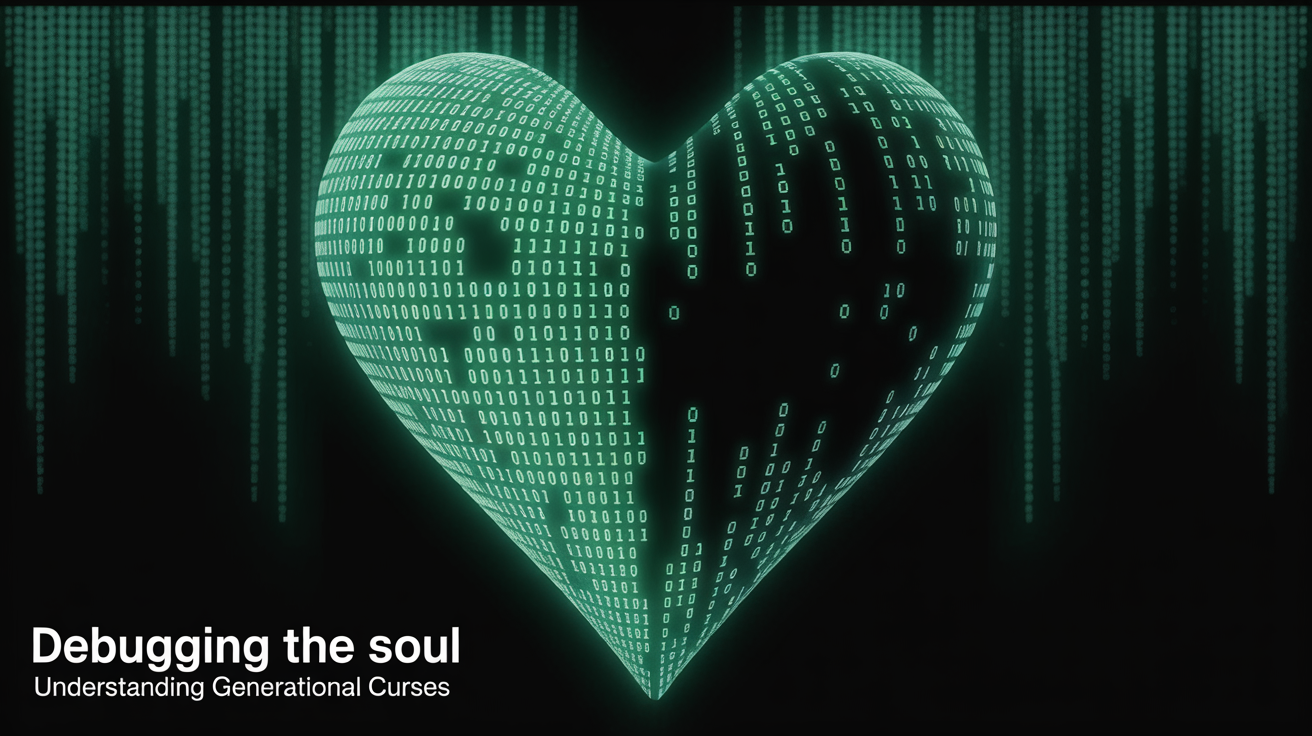
We all inherit things we didn’t choose.
A way of reacting. A fear that doesn’t make sense. A story that seems to replay itself in every generation.
You can feel it sometimes — in the way your temper mirrors your father’s, or how your mother’s anxiety hums quietly in your own chest.
We call it personality.
But what if it’s code?
What if every human carries an operating system written by generations before us — lines of belief, fear, and desire that keep running in the background until someone decides to rewrite them?
That’s what Scripture calls a curse. Not a superstition, but a system bug — an inherited malfunction that keeps repeating itself until grace steps in to debug the soul.
You can see it in cultures too—repeating loops of greed, division, and decay. Nothing new under the sun, just old code running again on new hardware.
Creation runs on divine architecture—a spiritual operating system—then generational curses are what happen when the system gets breached. Not because of superstition or fate, but because of code that was written wrong and never corrected.
A generational curse isn’t a ghost haunting your family tree. It’s legacy software—a repeating script that keeps running because no one ever went in to comment it out.
Think of it like this: a curse is a malicious process authorized to run in a family’s operating system because someone—an ancestor, a parent, even you—clicked “agree” on the wrong terms of service. It gains access through sin, through the violation of divine law, and continues executing across generations until the original permission is revoked.
A curse is a bug in the code, and bugs never fix themselves.
To understand this, we have to start with the code itself. The Bible calls it “the law,” but that word—torah—means instruction, design, blueprint.
The law of God isn’t a rulebook; it’s the architecture of existence. It’s the source code that governs both Heaven and Earth. “Forever, O Lord, your word is settled in heaven.” Translation: the code is stable. The system works.
Creation itself runs on binary: light and darkness, life and death, blessing and curse, obedience and rebellion. The logic gates of existence. One and zero. When the code aligns with its Designer, everything hums. When it doesn’t, corruption spreads. This is what Deuteronomy 28 describes—not random punishments, but the built-in consequences of disobedience. When you honor the design, you prosper. When you don’t, the system collapses.
The first recorded system breach happened in Eden. We often describe the Fall as a relational failure—Adam and Eve disobeyed, and intimacy was lost. But beneath the heartbreak was something more technical: a legal rupture. God entrusted Adam with dominion—a kind of administrative authority over creation. He wasn’t just tending a garden; he was managing a network. He didn’t have a written law, but he had divine instruction embedded in him. Dominion was sustained through alignment.
When Adam disobeyed, he didn’t merely offend God’s heart; he triggered a breach. The firewall went down. The system was exposed. Humanity’s moral and spiritual DNA—our source code—became open to corruption.
And where there’s vulnerability, there’s exploitation. Lucifer didn’t seize creation by brute force; he logged in with Adam’s stolen credentials. He didn’t own the earth, but he gained control of its systems. He became, as Jesus called him, “the prince of this world,” not because he was enthroned, but because the true administrator abandoned his post.
From that point forward, two systems began running in parallel: the Kingdom of Light, still stable, still secure; and a counterfeit network built on stolen authority—the System of Darkness. Paul called it “the mystery of lawlessness.” Not chaos, but an elegant counterfeit, a rival legal order running corrupted code.
Lucifer The Hacker
Lucifer has always been a hacker, not a creator. He can’t write original code; he can only copy and corrupt what already exists. His strategy is accusation, not creation. He’s not just the tempter; he’s the prosecutor. The “accuser of the brethren” isn’t shouting insults—he’s submitting legal claims based on unpatched vulnerabilities in the human code.
Every unconfessed sin, every unhealed wound, every unresolved agreement with darkness becomes a data point he uses to sustain his access. The real battle isn’t fought with swords or slogans—it’s fought in the court of law and the lines of code.
Humanity’s original role was priestly—to bridge Heaven and Earth, to keep the systems synchronized. We were designed as the API between divine and created realms. But when the priesthood fell, the sync broke. Earth’s operating system desynchronized from Heaven’s. That’s why disease, decay, and death exist—they’re not part of the original design; they’re evidence of desync.
Redemption, then, isn’t escape—it’s restoration. Christ came not as a revolutionary, but as a programmer. The Second Adam logged back in sinless, authorized, and fully aligned. He fulfilled every legal requirement of the code and reestablished human access. He didn’t bypass the law; He fulfilled it from within. Because you can’t hack your way into holiness. You have to satisfy the system.
The Cross was more than a spiritual symbol—it was a system-wide update. When Jesus said, “It is finished,” it wasn’t a cry of exhaustion. It was a deployment notice. The patch was complete. The corrupted build was terminated. A new version of humanity went live.
Colossians says He “canceled the record of debt that stood against us, nailing it to the cross.” That wasn’t metaphor—it was a legal announcement. Every recursive loop of sin, shame, and death was closed. Every access point sealed. Every generational exploit patched.
Communion was never meant to just be a religious ritual. It is the symbolic installation of the new system. “This is my body, broken for you. This is my blood, shed for you.” The old covenantal code—bound by sin and death—was deprecated. A new covenant—powered by grace—was uploaded!
Grace isn’t the absence of law; it’s law fulfilled and rewritten inside us. Romans 8 calls it “the law of the Spirit of life in Christ Jesus,” meaning a higher algorithm now supersedes the corrupted one. The same code, but rewritten in love.
Generational Curses
So where does that leave the idea of generational curses? Think of them as legacy code—scripts that were written generations ago, still running quietly in the background. You didn’t write them, but you’re still executing them. The insecurity, the addiction, the self-sabotage—they’re not random; they’re echoes of inherited code.
It may or may not be your fault. But it is your responsibility to debug it.
Confession is the act of opening the console and viewing the errors. Repentance is deleting the malicious lines. Faith is installing the patch. And the blood of Jesus is the security certificate that authorizes the change.
You don’t need to throw out the whole system; you just need to rewrite the corrupted parts.
Most people try to fix their lives by adding features—new habits, new apps, new affirmations. But that’s surface-level. The real bugs hide in the kernel—in the way you process shame, fear, power, or belonging. The only way to fix a system that’s broken at the root is to reinstall it.
This is what Jesus did. He didn’t just save souls; He restored the source. He didn’t erase the law; He encoded it into the human spirit. The Holy Spirit is now the compiler—translating the code of Christ into human syntax.
Grace runs natively now.
The New Creation Operation System
When Paul said we are “a new creation,” he wasn’t speaking in metaphor. He meant it literally: a new kind of human software now exists. The old operating system has been replaced.
The difference between a person living under a curse and one living under blessing isn’t moral superiority—it’s code alignment. One runs on fear and self-reliance. The other runs on love and obedience. One constantly crashes; the other hums in harmony.
And if you’ve ever wondered why certain patterns keep showing up in your life—why you keep reliving the same conflict, falling into the same relational script, repeating the same fears—it might not be about willpower. It might be about programming.
You’re not broken. You’re running old code.
But here’s the beauty: Jesus paid for your update.
The system doesn’t need to be replaced—it’s already been redeemed. You just have to download what’s already been written for you.
Every time you forgive, you’re rewriting code.
Every time you worship, you’re syncing to the Source.
Every time you love your enemies, you’re running Heaven’s software in real time.
Faith is not superstition—it’s alignment. It’s trusting that the Architect knew what He was doing when He wrote the system. It’s agreeing that His logic still works.
And once you begin to live from that perspective, sin stops feeling like failure. It starts looking like malfunction. Repentance stops feeling like punishment. It starts looking like optimization. Holiness stops feeling like control. It starts looking like stability.
That’s what the gospel really is: not a moral code, but a system update. Not a demand for perfection, but an invitation to restoration.
When Jesus rose from the dead, He didn’t just defeat death—He deployed resurrection life. Paul called Him “the firstfruits,” the prototype of a restored human system—bug-free, death-proof, fully synchronized with Heaven. And now that same Spirit runs in us.
Every believer is a participant in the restoration project of creation. We’re not waiting for Heaven to download; we’re the servers through which it’s being streamed into the world.
Every healed heart is a patch. Every act of forgiveness, a bug fix. Every miracle, a system restore.
Adam opened the loop. Christ closed it. And now, the system is stable again.
If you find yourself repeating the same old patterns, maybe it’s time to ask: is this really me, or is it legacy code still running in the background?
Maybe what your soul needs isn’t another app, another plan, or another promise.
Maybe it just needs a reboot.
Because the patch has already been written.
You just have to install it.

Fighting for What Matters
You are where you are because of the fights you were willing to have—or the ones you avoided. It’s that simple.
Somewhere along the way, we bought into the lie that keeping the peace is the goal. But Jesus didn’t call us to be peacekeepers. He called us to be peacemakers. And there’s a big difference. Peacekeepers avoid conflict. Peacemakers step into it, take ownership, and build something better in its place.

You are where you are because of the fights you were willing to have—or the ones you avoided. It’s that simple.
Somewhere along the way, we bought into the lie that keeping the peace is the goal. But Jesus didn’t call us to be peacekeepers. He called us to be peacemakers. And there’s a big difference. Peacekeepers avoid conflict. Peacemakers step into it, take ownership, and build something better in its place.
Why Christians Struggle with Conflict
Let’s be honest—Christians are notoriously bad at handling conflict. We avoid it. We fear it. And when we do engage, we often do it terribly. Why?
We confuse kindness with passivity. We think that being nice means never rocking the boat. That avoiding confrontation is a virtue. But in reality, avoiding necessary conflict isn’t kindness—it’s cowardice. I know how strong your fight life is by how strong your prayer life is. If you don’t know how to contend in the secret place, you’ll never know how to contend in the public space. We think that being nice means never rocking the boat. That avoiding confrontation is a virtue. But in reality, avoiding necessary conflict isn’t kindness—it’s cowardice.
We’ve been conditioned to keep the peace. Many of us were raised in church cultures that emphasized harmony over honesty. We were told to "forgive and forget" instead of addressing real issues. And so we became people-pleasers rather than truth-tellers.
We don’t like discomfort. Fighting for what matters is uncomfortable. Calling out sin is awkward. Confronting toxicity is painful. It’s easier to pretend everything’s fine than to do the hard work of real reconciliation and real leadership.
We’re afraid of losing relationships. The fear of rejection keeps us silent. We’d rather let a friendship or a marriage slowly deteriorate than risk a conversation that might change everything.
But avoiding conflict doesn’t make it go away—it makes it worse. And when we refuse to fight for what matters, we give the enemy free rein in our lives, our families, and our communities.
Fighting Isn’t the Problem. Avoiding the Fight Is.
Most people in the church don’t know how to fight. We’ve been taught to back down. To let it go. To let the enemy run rampant in our marriages, our families, our careers, and our calling because we think that avoiding conflict is a sign of maturity.
It’s not.
Nehemiah understood this. In Nehemiah 4, the opposition showed up as soon as the work started. Samballat and Tobiah mocked and ridiculed them, trying to get in their heads. That’s how the enemy works. The moment you move from talking about something to building something, the opposition shows up.
So what did Nehemiah do? He prayed—and then he acted. He set guards. He armed his people. He made sure they were ready to fight. And then he told them something crucial:
Do not be afraid of them. Remember the Lord, who is great and awesome, and fight for your brothers, your sons, your daughters, your wives, and your homes. (Nehemiah 4:14)
He didn’t tell them to run. He told them to remember.
Remember who God is. Remember what’s at stake. Remember what you’re building—and why it’s worth fighting for.
The Cost of Avoiding the Fight
Some of you are stuck. You’ve been circling the same mountain for years because, at some point, God called you to something, and you didn’t step in. Fear crept in. The enemy got in your head. And instead of fighting, you backed down.
Good news: You can get back in the fight. God restores the years the enemy has stolen.
The enemy wants to get in your head. He wants to discourage you, depress you, and convince you that you’ve lost your appointment. But here’s the truth:
You are anointed.
You are appointed.
And the enemy can’t take that from you.
So What Do You Do?
Pray like a warrior. Stop praying passive prayers. Stop asking God to do what He’s given you the authority to do. Pray boldly. Pray militantly. I know how strong your fight life is by how strong your prayer life is. If you don’t know how to contend in the secret place, you’ll never know how to contend in the public space. Stop praying passive prayers. Stop asking God to do what He’s given you the authority to do. Pray boldly. Pray militantly. Pray publicly.
Fight for your faith. If your faith is weak, everything else will be. Get filled with the Holy Spirit. Pray in tongues. Build yourself up in the most holy faith.
Fight for your family. Revival begins at home. Love your spouse. Date your spouse. Fight for your kids.
Fight for your future. God has a plan for you, but you have to fight for it. Declare His promises. Take action. Stop waiting for the perfect moment—it doesn’t exist.
The Bottom Line
The enemy has a strategy to take you out. To keep you stuck. To keep you scared. But you weren’t called to be passive. You weren’t called to sit on the sidelines.
You were called to fight.
And fight we will.
Because we serve a warrior King.
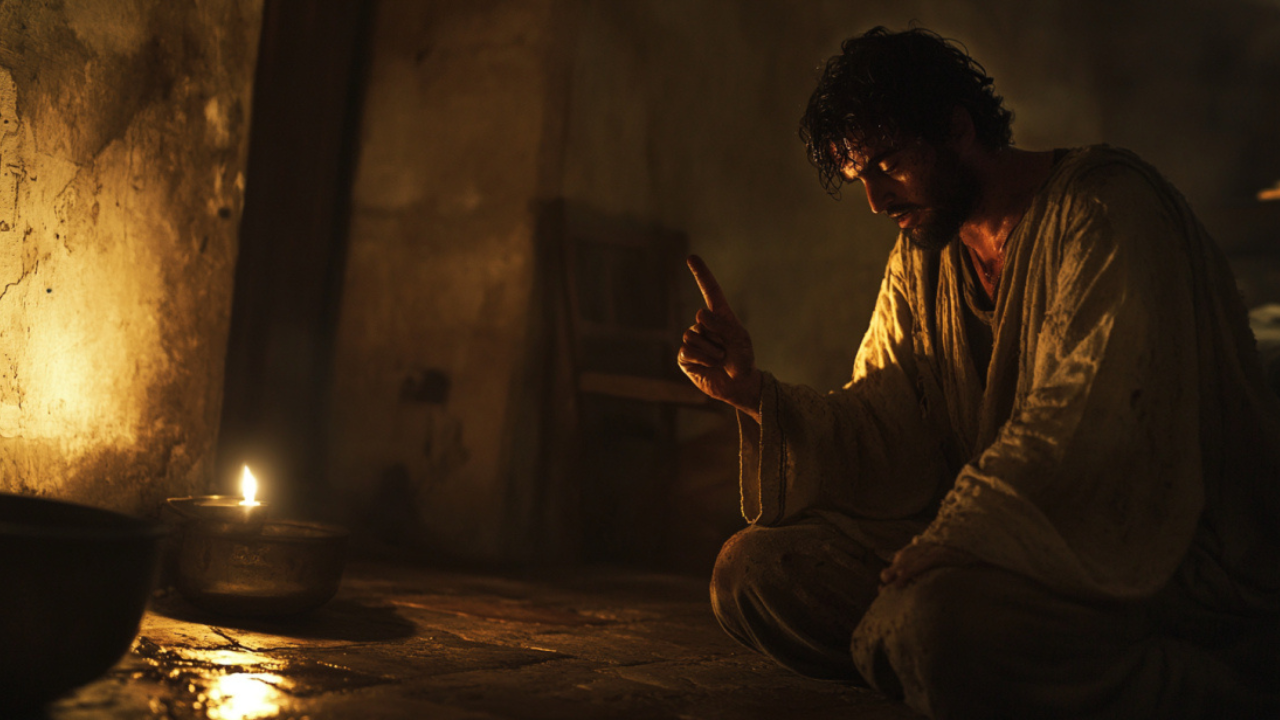
The Prayer That Shifts Everything
Not all prayer is created equal. Some prayers are effective, mobilizing action, bringing clarity, and catalyzing transformation. Others? They’re hollow, ineffective utterances that lack alignment with reality and responsibility. So, what’s the difference? What makes a prayer move mountains instead of simply echoing into the void?
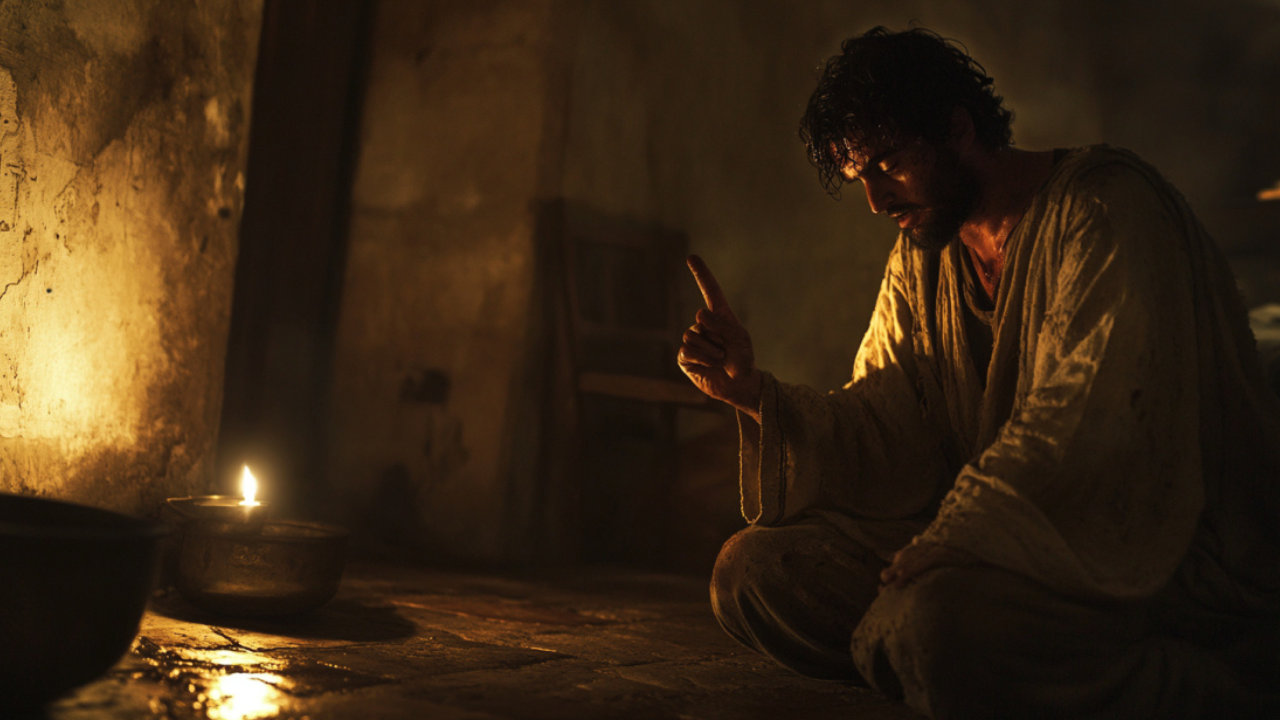
Life is full of struggles—those moments when the weight of the world feels unbearable. You feel paralyzed, trapped by circumstances too big for you to handle. Yet, in the chaos, there exists a tool—often neglected, misunderstood, or improperly wielded—that has the potential to shift everything: prayer.
Not all prayer is created equal. Some prayers are effective, mobilizing action, bringing clarity, and catalyzing transformation. Others? They’re hollow, ineffective utterances that lack alignment with reality and responsibility. So, what’s the difference? What makes a prayer move mountains instead of simply echoing into the void?
The story of Nehemiah offers us a roadmap to transformative prayer. Let’s break it down.
Prayer That Acknowledges vs. Prayer That Avoids
When Nehemiah began to pray, he didn’t start with his problem. He didn’t jump into a list of things he needed or a litany of complaints. Instead, he began by acknowledging God’s greatness.
"O Lord God of heaven, the great and awesome God who keeps covenant and steadfast love," he prayed.
This wasn’t just a formula. Nehemiah wasn’t checking a box to make sure his prayer sounded right. He was reorienting his focus. The greatness of God wasn’t just something he believed intellectually—it was the lens through which he viewed everything else. He saw the ruins of Jerusalem, yes, but he also saw the God who was more than capable of rebuilding them.
There’s a lesson here. When you pray, the first thing you need to do is lift your eyes. Shift your focus from the size of your problem to the size of your God. Why? Because your perspective shapes your prayers. If you see God as small, your prayers will be small. If you see God as distant or indifferent, you won’t ask for much. But if you have a revelation of a big God—a God who is mighty, compassionate, and faithful—then your prayers will reflect that.
This is the year where big asks will lead to big rewards. But here’s the catch: You will not have big prayers unless you have a revelation of a big God.
Think about it. When a child trusts their parent, they ask boldly. They don’t hesitate to ask for what they need because they believe their parent will come through. That’s the kind of faith Nehemiah had. That’s the kind of faith we need.
The opposite is prayer that avoids this acknowledgment. It’s a prayer that magnifies the problem instead of God. This kind of prayer leads nowhere. It’s powerless because it’s disconnected from the foundation of reality—God Himself.
"This is the year where big asks will lead to big rewards. But a small view of God leads to small prayers, and small prayers lead to small results."
Prayer That Repents vs. Prayer That Excuses
Nehemiah’s prayer didn’t stop at worship. It wasn’t just about acknowledging who God is—it was also about confronting who he was. With bold honesty, Nehemiah confessed the sins of his people, his family, and even himself. “We have acted very corruptly against you,” he prayed. “Even I and my father’s house have sinned.”
This moment of repentance is powerful. Nehemiah could have shifted blame. He could have pointed fingers at the generations before him who made mistakes, or at the leaders who failed to protect Jerusalem. But he didn’t. He owned the problem. He stood in the gap, taking responsibility for what was broken.
How often do we resist admitting our own faults? How often do we shift the blame or make excuses? Yet, the kind of prayer that shifts everything requires honesty. It requires humility. It requires repentance.
Prayer that excuses or blame-shifts is powerless. It’s an evasion of responsibility, a refusal to confront reality. And when you evade reality, you forfeit the opportunity for transformation. Repentance, by contrast, opens the door for growth because it aligns you with what is true and invites the possibility of change.
"God doesn’t bless excuses—He blesses honesty. When you own what’s broken, God redeems it."
Repentance isn’t about wallowing in guilt; it’s about realigning yourself with God’s holiness. It’s about removing the barriers that keep His power from flowing freely into your life.
Prayer That Boldly Asks vs. Prayer That Fears
Finally, Nehemiah’s prayer was bold. After worshiping God and confessing sin, he didn’t hesitate to ask for something specific: “Give success to your servant today, and grant him mercy in the sight of this man.”
This wasn’t a vague request. It wasn’t timid or hesitant. Nehemiah knew exactly what he needed—favor with the king—and he wasn’t afraid to ask for it. His boldness wasn’t arrogance; it was rooted in his faith. He knew who God was, and he trusted that God could and would intervene.
Too often, our prayers lack this kind of boldness. We hesitate to ask God for big things because we’re afraid of being disappointed. We hold back because we feel unworthy or unsure. But prayer that shifts everything dares to ask big things of a big God.
"A weak request reveals a weak belief. But a bold prayer reveals bold faith."
What are you asking God for right now? Are your prayers timid or bold? Specific or vague? Grounded in faith, or weighed down by fear?
What Kind of Prayer Shifts Everything?
Nehemiah’s prayer teaches us that the kind of prayer that mobilizes and shifts circumstances must:
Acknowledge God’s greatness. Lift your eyes and focus on His power and character.
Take responsibility for what’s broken. Confront sin and align yourself with truth.
Ask boldly, grounded in faith. Make specific, faith-filled requests that reflect trust in His promises.
This kind of prayer isn’t about passivity or wishful thinking. It’s about aligning yourself with the truth of who God is, the reality of your situation, and the bold faith required to act.
When Nehemiah prayed, he didn’t stop with “amen.” He stood up, went to the king, and took the first step toward rebuilding the walls of Jerusalem. His prayer mobilized action because it aligned him with the God who moves heaven and earth.
If you want to see things shift in your life, start with the right kind of prayer. Lift your eyes. Own what’s broken. Ask boldly. Then stand up and take the next step, trusting that God will guide you.
"This is the year where big asks will lead to big rewards. Don’t settle for small prayers. Pray the kind of prayer that shifts everything."

Walking in Healing
In this blog, we will explore the vital importance of understanding and establishing your beliefs about healing before sickness strikes.
We will cover the necessity of proactive faith, the role of professional prayer, the assurance that God desires your healing, and the significance of building a supportive faith community.
By preparing in advance and cultivating a deep understanding of healing, you will be better equipped to face challenges and support others in their healing journeys.
This preparation is crucial for standing strong in faith and experiencing the miraculous power of God in your life.
Understanding Who You Are and the Operation of Signs, Wonders, and Miracles
In this blog, we will explore the vital importance of understanding and establishing your beliefs about healing before sickness strikes.
We will cover the necessity of proactive faith, the role of professional prayer, the assurance that God desires your healing, and the significance of building a supportive faith community.
By preparing in advance and cultivating a deep understanding of healing, you will be better equipped to face challenges and support others in their healing journeys.
This preparation is crucial for standing strong in faith and experiencing the miraculous power of God in your life.
Discover Your Beliefs NOW!
First and foremost, don’t wait until you’re sick or diagnosed with a disease to figure out what you believe about healing.
Imagine being diagnosed with a sickness and then deciding to become your own doctor or surgeon without any prior experience.
It sounds absurd, right?
Yet, many people in the church do exactly that with their faith. They wait until they or their loved ones are sick before they start figuring out their theology of healing.
Why is it important to establish your belief about healing before you face sickness?
The answer lies in preparation and understanding. When you are healthy, you have the clarity and mental fortitude to delve deeply into scripture and build a solid foundation of faith. This preparation is crucial because, when sickness strikes, emotions run high, fear can set in, and your soul will want its feelings validated verses operating from faith.
Think of it this way: if you were to take up a new skill, like playing a musical instrument or learning a new language, you wouldn’t wait until you are scheduled to perform at a concert in front of thousands of people to learn your instrument. You would start learning and practicing well in advance, building your skills over time. The same applies to your beliefs about healing. Establishing a firm foundation when you are well-prepared allows you to stand strong in God’s word and your faith in His promises during challenging times.
Moreover, understanding God’s promises and the power of healing when you are healthy equips you to help others. When you see someone suffering, you can step in with confidence and offer prayers that are rooted in strong and growing faith. This proactive approach not only benefits you but also empowers you to be a vessel of God’s healing power to others.
The Importance of “Professional” Prayer
This use of the word professional might make some of you cringe, but I’m going to use it anyway. When you, yourself are sick, consider humbling yourself and seek “professional” prayer.
People who consistently operate with faith for signs, wonders, and miracles didn’t just wake up one day and start performing miracles.
People who consistently operate with faith for signs, wonders, and miracles didn’t just wake up one day and start performing miracles. They’ve carved out a miraculous realm over time and have a faith that makes it easier for them to believe.
If you don’t have a track record of healing, don’t try to be your own faith healer!
The time to figure this stuff out is when you’re healthy.
Pray for strangers first; it’s easier to believe for a miracle for someone you don’t know than for someone you love deeply.
Seeking the help of those who have a proven track record in healing, is essential.
Seeking the help of those who have a proven track record in healing, is essential. These individuals have dedicated significant time and effort to build their faith and understand the dynamics of God’s healing power. Their faith and experience can bridge the gap for you when your faith is not yet strong enough.
Humility is key here!! Acknowledge that you might not have all the answers and that others can help you in your journey. Seeking special prayer is not a sign of weakness but a demonstration of wisdom. Just as you would consult a specialist for a serious medical condition, consulting those with a deep understanding of spiritual healing is equally important.
Furthermore, those who have cultivated a miraculous realm have insights and experiences that can guide you through your healing process. They can offer practical advice, share testimonies that boost your faith, and pray with an authority that comes from years of experience. This support can be invaluable, especially during times of crisis when your own faith might be wavering.
God Wants to Heal You
If you’re sick, know that God wants to heal you!
He desires to set you free from illness and suffering. The Bible consistently reveals God's will to heal. Jesus’ ministry on earth was filled with acts of healing, casting out demons, and performing miracles, demonstrating God’s heart towards us:
Matthew 8:16-17 (NIV): "When evening came, many who were demon-possessed were brought to him, and he drove out the spirits with a word and healed all the sick. This was to fulfill what was spoken through the prophet Isaiah: 'He took up our infirmities and bore our diseases.'"
Psalm 103:2-3 (NIV): "Praise the Lord, my soul, and forget not all his benefits—who forgives all your sins and heals all your diseases."
Understanding that God desires your healing is fundamental. It’s easy to fall into the trap of believing that sickness is a punishment or that it’s not God’s will to heal you. However, the Bible consistently shows us that God is a healer. Jesus spent a significant part of His ministry healing the sick, casting out demons, and performing miracles. This is a clear indication of God’s heart towards us.
Healing can come in various forms. Sometimes it is immediate and miraculous; other times, it may be a process involving medical intervention, lifestyle changes, and ongoing prayer. Regardless of the method, the source of healing is always God. Recognizing this truth helps us to remain open to the different ways God might choose to bring healing into our lives.
God Uses His Body to Heal
While God can sovereignly show up and heal you, He often uses the church, the body of Christ, to do so. This community aspect is crucial. When you read through 1 Corinthians 12, you’ll see that different spiritual gifts, including miracles, are given to the church:
1 Corinthians 12:9-10 (NIV): "...to another faith by the same Spirit, to another gifts of healing by that one Spirit, to another miraculous powers..."
James 5:14-16 (NIV): "Is anyone among you sick? Let them call the elders of the church to pray over them and anoint them with oil in the name of the Lord. And the prayer offered in faith will make the sick person well; the Lord will raise them up. If they have sinned, they will be forgiven. Therefore confess your sins to each other and pray for each other so that you may be healed. The prayer of a righteous person is powerful and effective."
The church is a place where we can find support, encouragement, and prayer. When we reach out for help, we are allowing others to fulfill their God-given roles and use their spiritual gifts for our benefit. In my own family,
I don’t always post on Facebook when we’re going through a challenging time, but I have reached out for prayer on our church’s closed Facebook group when things were especially intense, and God has shown up in radical ways!!
In my own experience, asking for prayer within our church community has led to incredible breakthroughs.
In my own experience, asking for prayer within our church community has led to incredible breakthroughs. There is power in collective prayer and the unity of believers coming together with a common purpose. Don’t hesitate to reach out and ask for prayer, whether it’s through a church group, a close circle of friends, or a dedicated prayer team.
Go, Get Away, And Receive!!!
One powerful way to receive what God wants to release is to go, get away, and receive at a conference or at revival meetings or from a specific healing evangelists.
Sometimes, we must actively seek out what the Lord wants to release.
The power of revival lies in its ability to bring people together in a shared pursuit of outpouring and healing. These gatherings are opportunities to experience God's presence in profound ways. It's about being obedient, getting away from your comfort zone, your friends and peers and stepping into the presence of the Lord and asking for prayer.
Figures like Charlie Shamp and Alex Parkinson have dedicated their lives to cultivating a deep faith and understanding of God’s healing power. Their journeys were not instantaneous but were marked by years of dedication, study, prayer, and practice. Instead of comparing yourself to other ministers, sow into the lives of ministers and ministries, and sow into your own life and ministry by going, getting away, and receiving ministry and impartation.
Receiving from the Lord, witnessing God’s power in action, hearing testimonies of healing, and receive prayer from those who have carved out a realm of healing will actually help build your expectation, fill you with impartation, and teach you how to walk in miracles yourself.
Begin Releasing Healing Even Now
I want to share a quick, real-life testimony that illustrates the power of prayer and the importance of being prepared. My family and I were at a Vietnamese restaurant when a woman walked in with her family. She was blind, and the Lord highlighted her to me. I felt a strong prompting to pray for her.
I approached her and introduced myself, saying, "Hey, my name is Darren. I'm a pastor. Can I pray for you real quick?" She agreed, and as I invited the Holy Spirit and began to pray, the glory of God encountered her powerfully right then and there. She was obviously a Christian because she immediately began to worship the Lord, crying out "Woo, glory!" right there in the restaurant. She had her own intimate revival meeting. It was awesome!!
Although I didn’t see her eyes open immediately, the encounter was powerful. The presence of God was tangible, and her faith was visibly strengthened. This experience serves as a reminder that when we are obedient to God’s promptings, miraculous things can happen.
If you want to see healings and miracles, just start praying for as many people as you can. You can begin today!
Join a church that works miracles and do it not while you are healthy, and begin carving out your own realm of signs, wonders, and miracles.
Don’t wait until you are sick to figure out what you believe.
Seek prayer from those who are walking in miracles when needed, and understand that God desires your healing.
Remember, God uses the body of Christ to bring healing.
Don’t try to be your own hero.
Reach out for help, ask for prayer, and watch what Jesus can do.
We are all called to heal the sick and cast out demons, but the time to prepare for these acts of faith is now.
Let’s be proactive in our faith, support one another, and step into the miraculous realm that God has for us.