

The Power of Almost Nothing
In this article, Pastor Darren explains that transformation doesn’t start with certainty—it starts with willingness.
Using the image of a mustard seed, he shows that even the smallest step of faith is enough to shift your life. Faith isn’t about size, but direction. When you trust God, even a little, everything begins to change.
You don’t need more—you just need to start.

Even a mustard seed feels insignificant.
That’s the point.
We’ve been conditioned to believe that change requires scale—more certainty, more proof, more clarity before we move. But transformation rarely begins with certainty. It begins with willingness.
A mustard seed of faith isn’t impressive. It’s not loud. It doesn’t demand attention. It simply shows up—small, quiet, almost dismissible.
And yet, it’s enough.
Because faith doesn’t work by size. It works by direction.
When you place even the smallest amount of trust in something greater than yourself, you interrupt the pattern of control. You loosen your grip on needing to know everything before taking the next step.
That’s where things begin to shift.
Not all at once. Not dramatically. But undeniably.
A small act of faith becomes a new lens. A new lens becomes a new decision. A new decision becomes a new life.
The seed doesn’t look like much.
But given the right soil, it changes everything.

Exposing 7 Lies Facing America
Our country has just walked through a major national tragedy.
The murder of Charlie Kirk was not only heard about—it was seen. Millions watched the footage, a demonic spectacle replayed on screens that seared itself into our collective memory.
Moments like this mark a generation. They don’t just change what we see—they change how we think. If we’re not careful, these moments embed lies into the background code of our soul’s operating system. They hum quietly, but they redirect our choices, limit our identity, and even reroute our destiny.
The work isn’t just to grieve. The work is to debug.
Here are seven lies that surface after tragedy—and the truths that expose them:

Our country has just walked through a major national tragedy.
The murder of Charlie Kirk was not only heard about—it was seen. Millions watched the footage, a demonic spectacle replayed on screens that seared itself into our collective memory.
Moments like this mark a generation. They don’t just change what we see—they change how we think. If we’re not careful, these moments embed lies into the background code of our soul’s operating system. They hum quietly, but they redirect our choices, limit our identity, and even reroute our destiny.
The work isn’t just to grieve. The work is to debug.
Here are seven lies that surface after tragedy—and the truths that expose them:
Lie 1: “If this could happen to Charlie Kirk, no one is safe.”
Fear masquerades as wisdom. But the early church understood something we often forget: safety was never the goal.
After every wave of persecution, they gathered—not to pray for protection, but for boldness. In the first century, safety wasn’t even an option. And it still isn’t today.
Truth: Our calling has never been contingent on guarantees of safety. What we need is supernatural boldness to fulfill our assignments despite the threats. Death doesn’t get the last word—Jesus does.
“The Lord is my light and my salvation; whom shall I fear?” (Psalm 27:1)
Lie 2: “The enemy is winning.”
Every headline seems to agree. But history doesn’t. The cross looked like defeat—until it wasn’t. Martyrdom has never stopped the Church; it has only fueled revival.
Truth: The enemy has already lost. On the cross, Christ “disarmed the rulers and authorities and put them to open shame, by triumphing over them” (Colossians 2:15). We know the end of the story—Jesus wins.
King Jesus is on the throne, and “God raised us up with Christ and seated us with him in the heavenly realms in Christ Jesus” (Ephesians 2:6). Don’t believe the lie. We are not fighting for victory; we are fighting from victory.
Lie 3: “I need to fight fire with fire.”
Revenge feels like justice. But when we’re given to reaction, we can unwittingly partner with the very demons we think we’re defeating. Retaliation only multiplies the darkness.
Truth: We are not called to reaction, but to revelation. Obedience, Spirit-led boldness, and God’s Word are our weapons. We overcome evil not by mirroring it, but by manifesting the Kingdom.
“Do not be overcome by evil, but overcome evil with good.” (Romans 12:21)
Lie 4: “Suspicion will protect me.”
Suspicion is the fruit of isolation. It feels like safety, but it’s really counterfeit discernment. It turns flesh and blood into the enemy, while the real enemy hides in the shadows. Paranoia promises protection but delivers only chains.
Truth: Discernment doesn’t prematurely judge people—it equips us with prophetic ammunition to confront the mind-blinding spirits controlling them. Suspicion is about survival. Discernment is about victory.
“And the peace of God, which surpasses all understanding, will guard your hearts and your minds in Christ Jesus.” (Philippians 4:7)
Lie 5: “We are powerless.”
When the news cycle overwhelms, apathy whispers: You can’t change this.
Truth: The Church is not powerless. We carry resurrection power, Kingdom authority, and the Spirit of the Living God. “But you will receive power when the Holy Spirit has come upon you; and you will be my witnesses” (Acts 1:8). We fight on our knees, we fight together, and we fight with the boldness of Christ.
Lie 6: “It’s safer to stay silent.”
Silence sounds prudent. But it’s actually agreement. Fear and intimidation always aim for the same target: your voice.
Truth: Your voice is your power. Everything that exists—the heavens, the earth, even the Scriptures themselves—was spoken into being. If the voice of the Lord is silenced, creation unravels. But love will never let you go silent. Love liberates you. It compels you to speak, to pray, to declare.
Salt and light only work when exposed. Boldness is what shakes nations. Refuse to be silenced.
“You are the salt of the earth… You are the light of the world.” (Matthew 5:13–16)
Lie 7: “This is the end of something.”
The enemy always whispers: This is the end. Give up. Lose hope. And tragically, many Christians echo him—clinging to “defeater beliefs” about the end times that sound more like despair than hope.
Truth: The Bible never ends with the end. It ends with restoration—the renewal of all things, Eden 2.0, Heaven on Earth. Yes, things come to an end. But this Kingdom? “Of the increase of His government and peace there will be no end” (Isaiah 9:7).
Every ending in God’s hands is a planting, not a burial. The seed goes into the ground so resurrection life can spring forth. This Kingdom has no expiration date.
The challenge:
Lies don’t leave on their own. They must be exposed, confronted, and replaced with truth.
Debugging the soul isn’t optional after tragedy—it’s survival.
And when we choose truth, the background noise changes.
The operating system updates.
And destiny stays intact.

Affirmation Is Not the Doorway to Joy
This article challenges the cultural obsession with affirmation as the path to healing, arguing instead that true joy begins with truth—not comfort. It explores how grace-fueled transformation starts with conviction, confession, and repentance, not denial or flattery. Rooted in the gospel, it reminds us that while tears may come first, they are the seeds of a deeper joy only Christ can bring. Transformation isn’t achieved—it’s received. And joy, in the end, is not manufactured but harvested through surrender.

Affirmation of a lie only leads to further deception—and deeper bondage.
It might numb the shame.
It might offer a quick hit of soul relief.
But hours later, truth comes knocking… and the hangover begins.
Simply trying to verbally rescue people from shame or suffering isn’t the role of a Christian.
Our job isn’t to edit reality for comfort.
It’s to tell the truth—with love, with grace, and with an eye toward real freedom.
Because real transformation doesn’t begin with affirmation.
It begins with truth.
But not cold, detached truth—truth carried by grace.
Salvation by grace through faith in Christ alone opens the door.
It’s the Spirit who convicts.
It’s grace that leads to confession.
And it’s the kindness of God that empowers repentance.
We don’t climb our way into joy.
We’re led into it.
This is how joy is born.
Before there is real, lasting joy, there are tears.
Tears are the seeds.
Not because sadness is spiritual, but because honesty is.
Remorse.
Shame.
Conviction.
These aren’t enemies to avoid.
They’re signals—pointing us back to the One who carries our burden and rewrites our story.
They bring us fully and honestly to the end of ourselves—
To the revelation of our dependency.
To the reality of our union with Christ.
Transformation doesn’t happen when we hide from the truth.
It happens when we step into it—
Fully exposed, completely known, and deeply loved.
So sow your sorrow.
Water it with grace.
Let the Spirit do what only He can do.
Because in Christ, even your tears have purpose.
And joy is not just possible—it’s inevitable.

Fighting for What Matters
You are where you are because of the fights you were willing to have—or the ones you avoided. It’s that simple.
Somewhere along the way, we bought into the lie that keeping the peace is the goal. But Jesus didn’t call us to be peacekeepers. He called us to be peacemakers. And there’s a big difference. Peacekeepers avoid conflict. Peacemakers step into it, take ownership, and build something better in its place.

You are where you are because of the fights you were willing to have—or the ones you avoided. It’s that simple.
Somewhere along the way, we bought into the lie that keeping the peace is the goal. But Jesus didn’t call us to be peacekeepers. He called us to be peacemakers. And there’s a big difference. Peacekeepers avoid conflict. Peacemakers step into it, take ownership, and build something better in its place.
Why Christians Struggle with Conflict
Let’s be honest—Christians are notoriously bad at handling conflict. We avoid it. We fear it. And when we do engage, we often do it terribly. Why?
We confuse kindness with passivity. We think that being nice means never rocking the boat. That avoiding confrontation is a virtue. But in reality, avoiding necessary conflict isn’t kindness—it’s cowardice. I know how strong your fight life is by how strong your prayer life is. If you don’t know how to contend in the secret place, you’ll never know how to contend in the public space. We think that being nice means never rocking the boat. That avoiding confrontation is a virtue. But in reality, avoiding necessary conflict isn’t kindness—it’s cowardice.
We’ve been conditioned to keep the peace. Many of us were raised in church cultures that emphasized harmony over honesty. We were told to "forgive and forget" instead of addressing real issues. And so we became people-pleasers rather than truth-tellers.
We don’t like discomfort. Fighting for what matters is uncomfortable. Calling out sin is awkward. Confronting toxicity is painful. It’s easier to pretend everything’s fine than to do the hard work of real reconciliation and real leadership.
We’re afraid of losing relationships. The fear of rejection keeps us silent. We’d rather let a friendship or a marriage slowly deteriorate than risk a conversation that might change everything.
But avoiding conflict doesn’t make it go away—it makes it worse. And when we refuse to fight for what matters, we give the enemy free rein in our lives, our families, and our communities.
Fighting Isn’t the Problem. Avoiding the Fight Is.
Most people in the church don’t know how to fight. We’ve been taught to back down. To let it go. To let the enemy run rampant in our marriages, our families, our careers, and our calling because we think that avoiding conflict is a sign of maturity.
It’s not.
Nehemiah understood this. In Nehemiah 4, the opposition showed up as soon as the work started. Samballat and Tobiah mocked and ridiculed them, trying to get in their heads. That’s how the enemy works. The moment you move from talking about something to building something, the opposition shows up.
So what did Nehemiah do? He prayed—and then he acted. He set guards. He armed his people. He made sure they were ready to fight. And then he told them something crucial:
Do not be afraid of them. Remember the Lord, who is great and awesome, and fight for your brothers, your sons, your daughters, your wives, and your homes. (Nehemiah 4:14)
He didn’t tell them to run. He told them to remember.
Remember who God is. Remember what’s at stake. Remember what you’re building—and why it’s worth fighting for.
The Cost of Avoiding the Fight
Some of you are stuck. You’ve been circling the same mountain for years because, at some point, God called you to something, and you didn’t step in. Fear crept in. The enemy got in your head. And instead of fighting, you backed down.
Good news: You can get back in the fight. God restores the years the enemy has stolen.
The enemy wants to get in your head. He wants to discourage you, depress you, and convince you that you’ve lost your appointment. But here’s the truth:
You are anointed.
You are appointed.
And the enemy can’t take that from you.
So What Do You Do?
Pray like a warrior. Stop praying passive prayers. Stop asking God to do what He’s given you the authority to do. Pray boldly. Pray militantly. I know how strong your fight life is by how strong your prayer life is. If you don’t know how to contend in the secret place, you’ll never know how to contend in the public space. Stop praying passive prayers. Stop asking God to do what He’s given you the authority to do. Pray boldly. Pray militantly. Pray publicly.
Fight for your faith. If your faith is weak, everything else will be. Get filled with the Holy Spirit. Pray in tongues. Build yourself up in the most holy faith.
Fight for your family. Revival begins at home. Love your spouse. Date your spouse. Fight for your kids.
Fight for your future. God has a plan for you, but you have to fight for it. Declare His promises. Take action. Stop waiting for the perfect moment—it doesn’t exist.
The Bottom Line
The enemy has a strategy to take you out. To keep you stuck. To keep you scared. But you weren’t called to be passive. You weren’t called to sit on the sidelines.
You were called to fight.
And fight we will.
Because we serve a warrior King.

Delayed, Not Denied: The Purpose Behind God’s Timing
We inhabit a world obsessed with immediacy. Everything—our careers, relationships, even our spirituality—demands instant gratification. If we’re not moving, we assume we’re stagnating. But this is a false presupposition, an illusion constructed by an impatient culture. The truth is that God does not adhere to human timelines. He is not rushed. He is not pressured. And, as hard as it may be to accept, He is never late.
Nehemiah understood this. He had a vision—a burden, a calling. He saw the broken walls of Jerusalem and longed to rebuild. Yet, for months, he remained still. He waited. He prayed. He resisted the urge to act prematurely. And because of that, when the moment of opportunity came, he was ready.

We inhabit a world obsessed with immediacy. Everything—our careers, relationships, even our spirituality—demands instant gratification. If we’re not moving, we assume we’re stagnating. But this is a false presupposition, an illusion constructed by an impatient culture. The truth is that God does not adhere to human timelines. He is not rushed. He is not pressured. And, as hard as it may be to accept, He is never late.
Nehemiah understood this. He had a vision—a burden, a calling. He saw the broken walls of Jerusalem and longed to rebuild. Yet, for months, he remained still. He waited. He prayed. He resisted the urge to act prematurely. And because of that, when the moment of opportunity came, he was ready.
Modern people struggle with this idea. We are told to “seize the moment,” to “act now before it’s too late.” But Nehemiah’s story teaches us a radical counterpoint: waiting is not passivity. Waiting is preparation.
So, what happens when we trust in God’s timeline? Nehemiah 2:1-8 offers three crucial lessons.
1. While We Are Waiting, We Can Be Maturing
The passage opens with what seems to be an innocuous statement:
"In the month of Nisan, in the twentieth year of King Artaxerxes, when wine was before him, I took up the wine and gave it to the king." (Nehemiah 2:1)
At first glance, it appears trivial. But the weight of this statement is staggering. Four months had passed since Nehemiah first heard the devastating news of Jerusalem’s ruins (Nehemiah 1:1). For four long months, he carried this burden—yet he did not rush ahead. He did not abandon his post. He did not force the issue. He waited.
And herein lies the first lesson: The right thing at the wrong time can become the wrong thing.
We see this principle throughout scripture. Moses had a vision to liberate Israel, but his impatience led him to kill an Egyptian, forcing him into forty years of exile. Why? Because his character had not yet caught up with his calling.
Many of us carry a deep sense of purpose. We are pregnant with potential. But if we attempt to give birth to something before its time, the result can be catastrophic. A premature birth is always fragile—sometimes fatal. If we step into our calling too soon, we may find that the very thing meant to bless us becomes a burden we cannot bear.
So, if you find yourself waiting, do not fight it. Do not resent it. Understand that God is using this season to forge something in you that cannot be developed any other way.
2. While We Are Waiting, We Can Be Preparing
When Nehemiah’s moment finally came, he was prepared:
"And the king said to me, 'Why is your face sad, seeing you are not sick? This is nothing but sadness of the heart.' Then I was very much afraid. I said to the king, 'Let the king live forever! Why should not my face be sad, when the city, the place of my fathers' graves, lies in ruins, and its gates have been destroyed by fire?' Then the king said to me, 'What are you requesting?' So I prayed to the God of heaven." (Nehemiah 2:2-4)
Notice that Nehemiah does not hesitate. He does not fumble over his words. The king asks, “What do you want?” and Nehemiah is ready with an answer. Why? Because he had spent his waiting season preparing.
Too often, people mistake waiting for passivity. But waiting on God does not mean doing nothing—it means doing the right things in the right season.
Nehemiah prayed – He spent four months in intercession, seeking God’s wisdom.
Nehemiah planned – When the opportunity arose, he already knew what he needed: timber, travel letters, authority.
Nehemiah positioned himself well – He remained faithful in his role, gaining trust with the king.
Many people are waiting for an opportunity, but if it arrived today, they would be unprepared. They want God to open a door, but they have not prepared for what lies on the other side.
David was anointed as king but spent years tending sheep. Joseph had a dream of leadership but spent years managing a prison before stepping into power. If God has not released you yet, it may be because He is still preparing you.
3. While We Are Waiting, We Can Allow God to Work Behind the Scenes
One of the most striking aspects of Nehemiah’s story is that while he waited, God was working behind the scenes.
"And the king said to me (the queen sitting beside him), 'How long will you be gone, and when will you return?' So it pleased the king to send me when I had given him a time. And I said to the king, 'If it pleases the king, let letters be given me to the governors of the province Beyond the River, that they may let me pass through until I come to Judah, and a letter to Asaph, the keeper of the king's forest, that he may give me timber…' And the king granted me what I asked, for the good hand of my God was upon me." (Nehemiah 2:6-8)
Nehemiah received more than permission—he received provision. God had softened the king’s heart before Nehemiah even asked. Historians suggest that this took place during a Persian feast when kings were inclined to show generosity. Some believe it may have even been the king’s birthday, a time when favors were traditionally granted.
In other words, God orchestrated the perfect moment.
Had Nehemiah spoken earlier, he may have been denied. Had he waited longer, the opportunity may have passed. But because he trusted God’s timing, everything aligned as it needed to.
Some of you feel like nothing is happening. But just because you cannot see God moving does not mean He is not working. While you wait, God is aligning the right people, the right opportunities, and the right circumstances.
Trust the Timeline
So, what does it mean to trust God’s timeline?
You wait, and in the waiting, you mature. God develops your character so that you can carry the vision without collapsing under it.
You wait, and in the waiting, you prepare. You refine your skills, your plan, and your mindset so that when the opportunity arrives, you are ready.
You wait, and in the waiting, God moves. He orchestrates events in ways that you could never manufacture on your own.
If you are frustrated in your waiting season, resist the urge to force the process. Trust that His timing is perfect. Nehemiah waited, and when the moment came, he was ready. His preparation met God’s opportunity, and everything shifted.
If you feel stuck right now, stop fighting the timeline. Let God mature you. Let Him prepare you. Let Him work behind the scenes.
Because when the time is right, nothing will be able to stop what He is about to do in your life.

Prophecy Is A Weapon Needed For Battle
The prophetic is not a mystical lottery; it is a sword. When you receive a word from God, you are not merely given information—you are handed ammunition. The Word of the Lord is meant to be wielded, spoken, and acted upon with courage and discipline. It is not something to be shelved like a trophy; it is a directive for war.

“This charge I commit to you, son Timothy, according to the prophecies previously made concerning you, that by them you may wage the good warfare,”
- 1 Timothy 1:18
In an era where skepticism and deconstruction are celebrated as intellectual virtues, the church faces a crisis of authority. The prophetic voice—the divine articulation of God's truth—has been undermined by manipulation, misapplication, and sheer neglect. We have treated prophecy as a trinket, a sentimental relic, rather than what it is meant to be: a weapon. And, if we are to stand firm in the face of cultural decay, we must recover its power.
The Nature of Prophecy
Many believers treat prophecy as a fortune cookie—pleasant, disposable, and optional. They want a word from God, but only if it aligns with their preconceived desires. They chase after prophets like oracles, dispensing divine dictation to those too timid to seek God themselves. But this is an abdication of responsibility.
The prophetic is not a mystical lottery; it is a sword. When you receive a word from God, you are not merely given information—you are handed ammunition. The Word of the Lord is meant to be wielded, spoken, and acted upon with courage and discipline. It is not something to be shelved like a trophy; it is a directive for war.
Warriors vs. Spectators
Consider this: If the prophetic is merely a comforting message, why does the Apostle Paul tell Timothy to recall the prophecies spoken over him to fight the battle well? (1 Tim. 1:18). The answer is straightforward—because prophecy, when properly stewarded, grants the soldier his battle orders. Without it, he is wandering, reactionary, and vulnerable.
It is no coincidence that Christ is depicted with a sword proceeding from his mouth in Revelation. His authority is not wielded through sheer force but through the spoken Word, through truth declared with precision. If that is the model set before us, how should we approach our prophetic words? Should they not be wielded with the same intentionality, sharpness, and holy ferocity?
The Crisis of Despising Prophecy
Today, many in the church, scandalized by false prophets and charlatans, have thrown the baby out with the bathwater. The moment a prophetic word fails to materialize according to their personal timeline, they cast off the entire concept of divine speech. This is intellectual laziness disguised as discernment. It is a failure to recognize that counterfeits only exist because something authentic is worth imitating.
Paul's admonition in 1 Thessalonians 5:20—"Do not despise prophecies"—was not an abstract encouragement. It was a direct command to a church tempted to reject the prophetic because of misuse and disorder. The same danger persists today. We are on the precipice of dismissing one of the most potent weapons in our arsenal simply because it has been mishandled by those unworthy of it.
The Shield and the Sword
The previous season—whether in your life or the life of the church—may have been one of defense. A year where the objective was simply to endure, to stand firm. That was the season of the shield, the year of holding the line against the relentless onslaught of doubt, despair, and demonic resistance.
But this season is different. This is the year of the sword, the year when the church must take ground rather than merely defend it. This is the year when believers must recognize that their prophetic words are not just nice ideas but weapons—sharpened for strategic engagement in the battle for culture, truth, and righteousness.
Activating the Prophetic Sword
So, how does one wield prophecy as a weapon?
Recall the Word – A forgotten prophecy is a useless prophecy. Write it down. Memorize it. Make it a living part of your spiritual arsenal.
Declare the Word – Speak it out. The sword is in the mouth. If you refuse to declare what God has spoken, you fight unarmed.
Align Your Life to the Word – A prophetic word is not an inevitability but an invitation. It requires action, discipline, and obedience. A soldier does not merely read his battle orders—he executes them.
Test the Word – Prophecy is not above scrutiny. Test it against scripture, confirm it with wise counsel, and ensure it aligns with the nature of God. But do not let the fear of deception lead to paralysis.
War with the Word – Use your prophetic word as a counterstrike when the enemy comes with discouragement, doubt, or distraction. "It is written!" should not just be the cry of Christ in the wilderness but the rallying cry of every believer armed with divine Revelation.
Time to Take Up Arms
There is a cultural, spiritual, and existential battle raging, and the church cannot afford to be unarmed. We must cease treating prophecy as mere sentimentality and begin wielding it with the weight it deserves. The enemy has no issue using words as weapons—he has been twisting and distorting truth since the beginning. The only question is whether we will do the same, not with distortion but divine clarity and courage.
The prophetic is not an accessory to the Christian life but a weapon. So take up your sword. Speak the word. Advance.
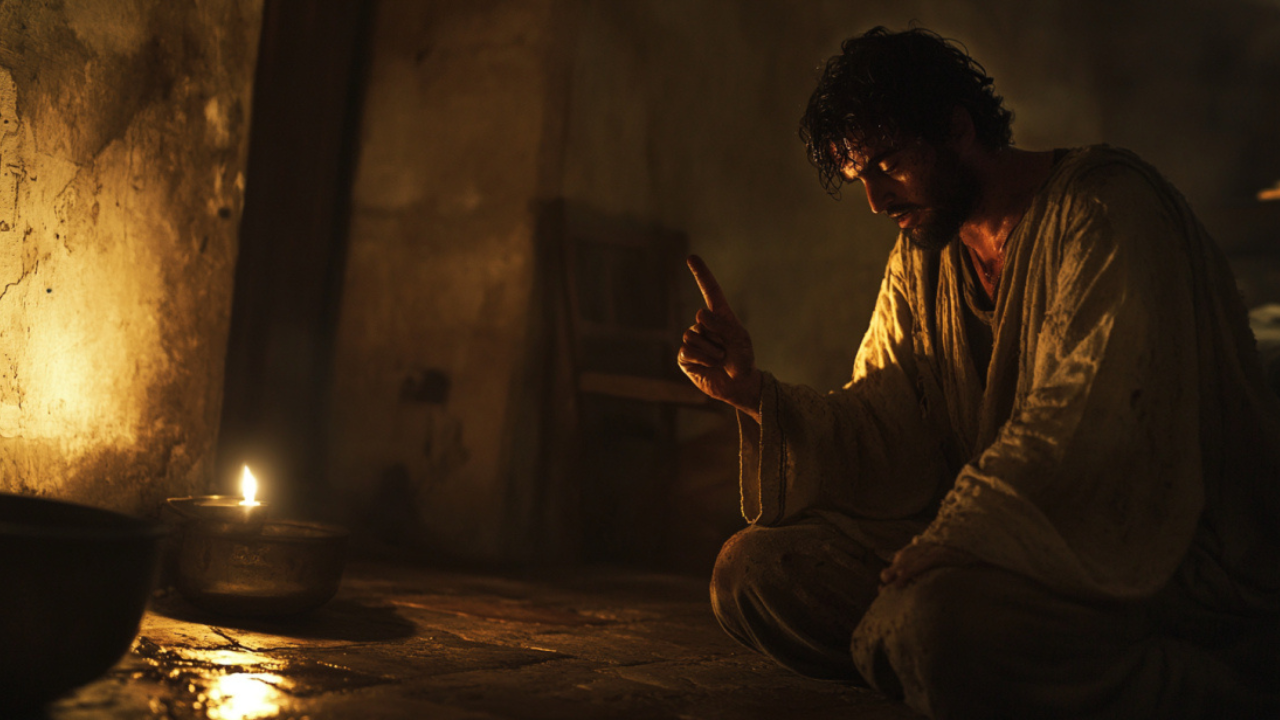
The Prayer That Shifts Everything
Not all prayer is created equal. Some prayers are effective, mobilizing action, bringing clarity, and catalyzing transformation. Others? They’re hollow, ineffective utterances that lack alignment with reality and responsibility. So, what’s the difference? What makes a prayer move mountains instead of simply echoing into the void?
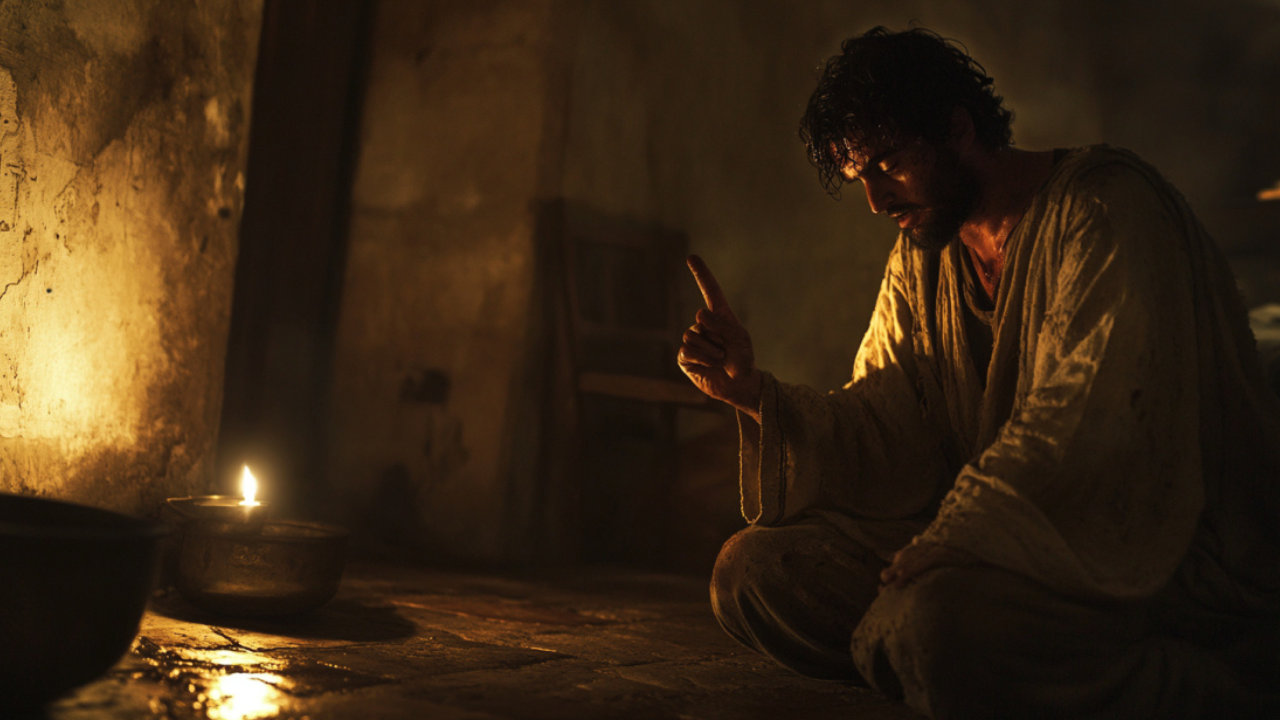
Life is full of struggles—those moments when the weight of the world feels unbearable. You feel paralyzed, trapped by circumstances too big for you to handle. Yet, in the chaos, there exists a tool—often neglected, misunderstood, or improperly wielded—that has the potential to shift everything: prayer.
Not all prayer is created equal. Some prayers are effective, mobilizing action, bringing clarity, and catalyzing transformation. Others? They’re hollow, ineffective utterances that lack alignment with reality and responsibility. So, what’s the difference? What makes a prayer move mountains instead of simply echoing into the void?
The story of Nehemiah offers us a roadmap to transformative prayer. Let’s break it down.
Prayer That Acknowledges vs. Prayer That Avoids
When Nehemiah began to pray, he didn’t start with his problem. He didn’t jump into a list of things he needed or a litany of complaints. Instead, he began by acknowledging God’s greatness.
"O Lord God of heaven, the great and awesome God who keeps covenant and steadfast love," he prayed.
This wasn’t just a formula. Nehemiah wasn’t checking a box to make sure his prayer sounded right. He was reorienting his focus. The greatness of God wasn’t just something he believed intellectually—it was the lens through which he viewed everything else. He saw the ruins of Jerusalem, yes, but he also saw the God who was more than capable of rebuilding them.
There’s a lesson here. When you pray, the first thing you need to do is lift your eyes. Shift your focus from the size of your problem to the size of your God. Why? Because your perspective shapes your prayers. If you see God as small, your prayers will be small. If you see God as distant or indifferent, you won’t ask for much. But if you have a revelation of a big God—a God who is mighty, compassionate, and faithful—then your prayers will reflect that.
This is the year where big asks will lead to big rewards. But here’s the catch: You will not have big prayers unless you have a revelation of a big God.
Think about it. When a child trusts their parent, they ask boldly. They don’t hesitate to ask for what they need because they believe their parent will come through. That’s the kind of faith Nehemiah had. That’s the kind of faith we need.
The opposite is prayer that avoids this acknowledgment. It’s a prayer that magnifies the problem instead of God. This kind of prayer leads nowhere. It’s powerless because it’s disconnected from the foundation of reality—God Himself.
"This is the year where big asks will lead to big rewards. But a small view of God leads to small prayers, and small prayers lead to small results."
Prayer That Repents vs. Prayer That Excuses
Nehemiah’s prayer didn’t stop at worship. It wasn’t just about acknowledging who God is—it was also about confronting who he was. With bold honesty, Nehemiah confessed the sins of his people, his family, and even himself. “We have acted very corruptly against you,” he prayed. “Even I and my father’s house have sinned.”
This moment of repentance is powerful. Nehemiah could have shifted blame. He could have pointed fingers at the generations before him who made mistakes, or at the leaders who failed to protect Jerusalem. But he didn’t. He owned the problem. He stood in the gap, taking responsibility for what was broken.
How often do we resist admitting our own faults? How often do we shift the blame or make excuses? Yet, the kind of prayer that shifts everything requires honesty. It requires humility. It requires repentance.
Prayer that excuses or blame-shifts is powerless. It’s an evasion of responsibility, a refusal to confront reality. And when you evade reality, you forfeit the opportunity for transformation. Repentance, by contrast, opens the door for growth because it aligns you with what is true and invites the possibility of change.
"God doesn’t bless excuses—He blesses honesty. When you own what’s broken, God redeems it."
Repentance isn’t about wallowing in guilt; it’s about realigning yourself with God’s holiness. It’s about removing the barriers that keep His power from flowing freely into your life.
Prayer That Boldly Asks vs. Prayer That Fears
Finally, Nehemiah’s prayer was bold. After worshiping God and confessing sin, he didn’t hesitate to ask for something specific: “Give success to your servant today, and grant him mercy in the sight of this man.”
This wasn’t a vague request. It wasn’t timid or hesitant. Nehemiah knew exactly what he needed—favor with the king—and he wasn’t afraid to ask for it. His boldness wasn’t arrogance; it was rooted in his faith. He knew who God was, and he trusted that God could and would intervene.
Too often, our prayers lack this kind of boldness. We hesitate to ask God for big things because we’re afraid of being disappointed. We hold back because we feel unworthy or unsure. But prayer that shifts everything dares to ask big things of a big God.
"A weak request reveals a weak belief. But a bold prayer reveals bold faith."
What are you asking God for right now? Are your prayers timid or bold? Specific or vague? Grounded in faith, or weighed down by fear?
What Kind of Prayer Shifts Everything?
Nehemiah’s prayer teaches us that the kind of prayer that mobilizes and shifts circumstances must:
Acknowledge God’s greatness. Lift your eyes and focus on His power and character.
Take responsibility for what’s broken. Confront sin and align yourself with truth.
Ask boldly, grounded in faith. Make specific, faith-filled requests that reflect trust in His promises.
This kind of prayer isn’t about passivity or wishful thinking. It’s about aligning yourself with the truth of who God is, the reality of your situation, and the bold faith required to act.
When Nehemiah prayed, he didn’t stop with “amen.” He stood up, went to the king, and took the first step toward rebuilding the walls of Jerusalem. His prayer mobilized action because it aligned him with the God who moves heaven and earth.
If you want to see things shift in your life, start with the right kind of prayer. Lift your eyes. Own what’s broken. Ask boldly. Then stand up and take the next step, trusting that God will guide you.
"This is the year where big asks will lead to big rewards. Don’t settle for small prayers. Pray the kind of prayer that shifts everything."